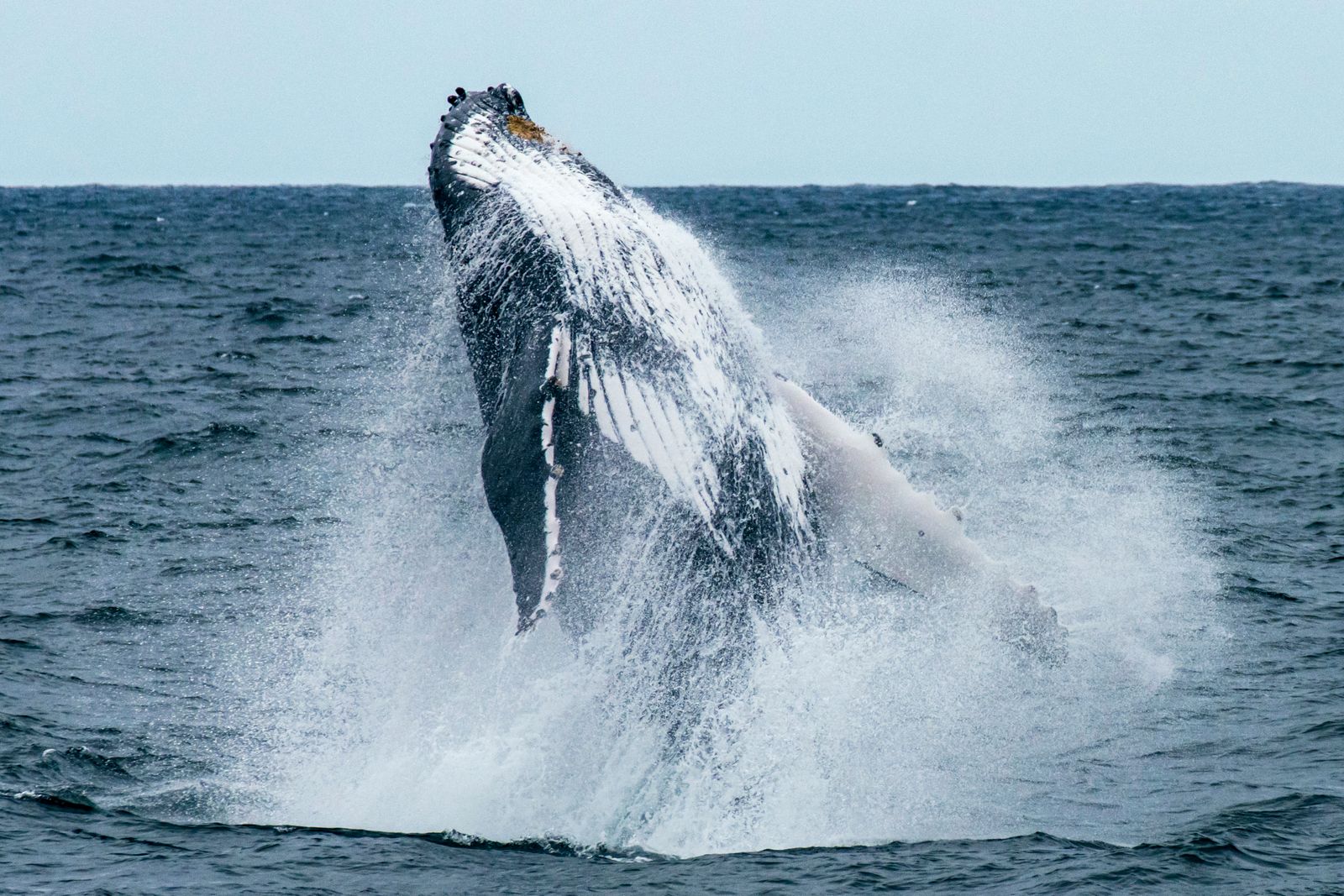
Sydney whale watching cruises for the 2026 season run from mid-May through November, with prices typically ranging from around $75–$91 for a standard 2 to 3-hour cruise, up to $127 for a faster adventure-style trip. The season officially began on Saturday 16 May 2026, with peak humpback migration activity from June to August. With an estimated 50,000 humpback whales migrating along the NSW coast each year and reported sighting rates near 95%, Sydney is one of the most reliable places in the world to see whales from a day cruise.
Thousands of humpback whales pass directly by Sydney Heads every winter on their way to and from warmer breeding waters further north, making a whale watching cruise one of the most genuinely reliable wildlife experiences you can book in the city. Several operators run cruises departing from Darling Harbour and Circular Quay, each with a different boat style, price point, and inclusions. This guide covers 2026 season pricing, when to go, and how to pick the right cruise for your trip.
2026 Season Dates and Migration Pattern
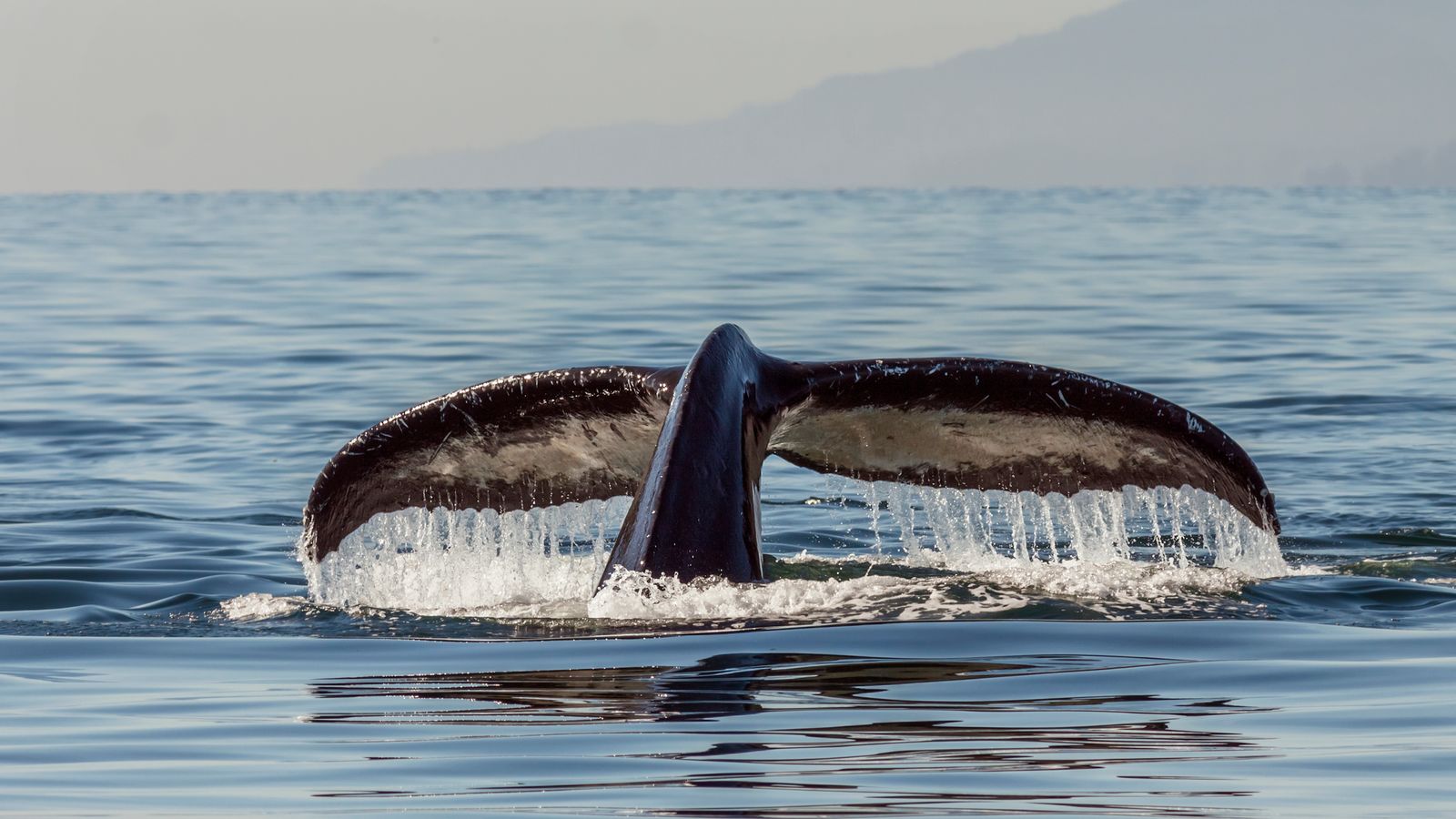
Sydney’s whale watching season runs from May through November, with the 2026 season officially opening on Saturday 16 May. From mid-May to around July, humpback whales travel north from Antarctic feeding grounds to warmer Australian breeding waters, then make the return journey south from August onwards, this time travelling with newborn calves. Peak migration activity, and generally the best odds of multiple close sightings, falls between June and August. Marine scientists have described this particular “humpback highway” as busier than ever in recent years, with an estimated 50,000 eastern Australian humpback whales now making the journey each season — around 20,000 more than the estimated pre-whaling population of the early 1900s.
2026 Cruise Prices by Operator
| Operator / Cruise Type | Duration | Approx. 2026 Price (AUD) |
|---|---|---|
| Go Whale Watching Sydney (standard) | 3 hours | Adult $85, Child $45 |
| Fantasea Express | 2 hours | From $91 |
| Fantasea Adventure (Totally Wild) | 2.5 hours | From $127 |
| Budget/discount deals | 2–3 hours | From around $50–$75 |
| Premium BBQ & open bar cruise | Full day | From $549 |
| Private charter | Varies | From $900 |
A temporary fuel surcharge of around $5 per person applies to some operators’ whale watching cruises, including Captain Cook Cruises, so it’s worth checking whether this is included in the advertised price or added at checkout. Early-bird discounts, including 25% off adult and child tickets at the start of the season, are common in the first weeks after the season opens, worth watching for if your travel dates are flexible.
Choosing Between Operators
Go Whale Watching Sydney runs 3-hour cruises departing from King Street Wharf 6 and 7 in Darling Harbour, offering one of the longest standard cruise durations in the city and a whale sighting guarantee — if you don’t see whales, you’re eligible for a credit toward a future tour. Fantasea Cruising operates from Campbells Cove initially, shifting to Circular Quay Wharf 6 from 11 July, with both a 2-hour Express option for visitors short on time and a faster, more adventure-focused Totally Wild vessel that takes a nimble, 27-passenger high-speed boat out to open water. Captain Cook Cruises, Sydney’s longest-running harbour cruise operator, also runs whale watching tours and is generally regarded as the most accessible option of the main operators, worth prioritising specifically if accessibility is a genuine requirement for your group. The Coral Trekker, a working tall ship, is the only sailing vessel in Sydney’s whale watching fleet, offering a genuinely different, more traditional experience for anyone specifically interested in sailing rather than a standard motor-powered catamaran.
Large Catamaran vs. Small Adventure Boat
It’s worth understanding the genuine trade-off between boat types before booking. Large catamarans and sightseeing vessels offer stability, indoor lounges, climate control, and multiple viewing decks, making them a genuinely better fit for families, anyone prone to seasickness, or visitors wanting a more relaxed few hours on the water. Smaller inflatable and adventure boats, like Fantasea’s Totally Wild vessel, deliver faster, more open-air rides with closer whale encounters, though conditions can feel rougher once you’re past Sydney Heads and into open ocean swell. Neither option is objectively better — the choice comes down to how much you value comfort and stability against speed and proximity to the whales themselves.
What’s Included
Most standard whale watching tickets cover the guided cruise itself, a safety briefing, outdoor viewing access, and live commentary from onboard marine guides or naturalists explaining whale behaviour and migration patterns as you spot activity. Premium options step this up with snacks, drinks, or full buffet meals — Captain Cook Cruises’ whale watching offering, for instance, includes hot drinks with breakfast cruises and a cash bar available on lunch cruises. Some operators also bundle in extras like hop-on hop-off ferry passes or combo tickets to attractions such as Taronga Zoo, worth checking if you’re planning to combine your whale watching trip with other Sydney sightseeing on the same day.
The Whale Sighting Guarantee
Several Sydney whale watching operators offer a whale sighting guarantee, meaning if you don’t spot any whales during your cruise, you’re eligible for a free return trip or credit toward a future tour. It’s worth reading the specific terms of whichever operator’s guarantee you’re booking under, since some vouchers are only valid for the remainder of the current season, while others, according to some operator policies, carry over to the following season if unused. Given the genuinely high reported sighting rate of around 95% during peak season, most visitors won’t need to rely on this guarantee, but it’s a worthwhile safety net for anyone travelling specifically to see whales on a tight schedule.
Best Time to Book
During peak migration months of June through August, sunset cruises, small-group boats, and weekend departures tend to sell out fastest, and booking at least a few days to one to two weeks ahead is a genuinely sensible move rather than leaving it to chance closer to your travel date. Outside these peak months, at the edges of the May-to-November season, availability is generally more relaxed, though sighting rates can be somewhat lower than during the peak migration window. Weekday cruises, where your schedule allows the flexibility, tend to be easier to book on shorter notice than weekend departures throughout the season.
Departure Points
Most Sydney whale watching cruises depart from either Darling Harbour (typically King Street Wharf 6 or 7) or Circular Quay, depending on the specific operator and, in some cases, the time of year — Fantasea’s departure point shifts from Campbells Cove to Circular Quay Wharf 6 partway through the 2026 season, for example. It’s genuinely important to check your specific booking confirmation for the correct departure point and time, since Darling Harbour and Circular Quay are a meaningful walk or short taxi ride apart, and whale watching cruises, given their genuinely fixed departure times tied to tidal and ocean conditions, don’t offer the same flexibility as a standard harbour sightseeing cruise if you arrive at the wrong wharf.
Seasickness and Comfort
Given that whale watching cruises head out past Sydney Heads into genuine open ocean swell, rather than staying within the calmer, more sheltered waters of the harbour, seasickness is a real consideration worth planning for, particularly for anyone not used to boat travel. Larger, more stable catamarans generally handle swell more comfortably than smaller adventure boats, making them the safer choice for anyone prone to motion sickness. Taking a seasickness remedy before boarding, rather than waiting until symptoms start, is standard advice worth following, and choosing a seat in the middle of the vessel, where movement is generally less pronounced than at the bow or stern, can also help.
What to Wear and Bring
- A warm, windproof jacket — conditions on open water, particularly out past Sydney Heads, run genuinely colder than on land, even on a mild day.
- Sunscreen and a hat, since you’ll spend most of the cruise on open-air viewing decks.
- A camera or phone with a decent zoom, given whales are typically spotted at a respectful distance for their own safety.
- Seasickness remedies if you’re at all prone to motion sickness, taken before boarding rather than after symptoms start.
- Closed, non-slip shoes suitable for a moving vessel deck.
Photography Tips
Whale photography genuinely rewards patience and the right gear more than most wildlife photography opportunities, given how unpredictable individual whale behaviour can be — a cruise might go nearly two hours without a sighting before a single humpback breaches close to the bow, or activity might be steady and visible from early in the trip. A zoom lens or a phone with strong optical zoom makes a real difference, since operators maintain a respectful, regulated distance from the whales for their welfare rather than approaching closely for photos. Keeping your camera or phone ready rather than packed away between sightings is worth the minor inconvenience, since breaches and tail slaps happen suddenly and rarely give more than a few seconds’ warning.
Combining Whale Watching with Other Sydney Activities
Given most whale watching cruises depart from Darling Harbour or Circular Quay, it’s straightforward to combine a morning or afternoon cruise with other nearby attractions on the same day. A Darling Harbour whale watching cruise pairs naturally with a visit to SEA LIFE Sydney Aquarium, WILD LIFE Sydney Zoo, or Madame Tussauds, all within easy walking distance of the wharf. A Circular Quay departure sits close to the Sydney Opera House and Royal Botanic Garden, making it easy to build a fuller harbourside day around your cruise rather than treating it as a standalone activity.
Where to Book
Whale watching cruises can be booked directly through each operator’s own website — Go Whale Watching Sydney, Fantasea Cruising, and Captain Cook Cruises all take direct bookings — or through third-party platforms including Go City, Viator, and GetYourGuide, several of which bundle whale watching with other Sydney attractions or offer free cancellation. Booking directly is often the most reliable way to access operator-specific guarantees like the whale sighting credit, while third-party platforms can be useful for comparing operators side by side or finding discounted bundle deals. Given the genuinely fixed, weather- and tide-dependent nature of these cruises, it’s worth reading the specific cancellation and rescheduling policy of whichever platform you book through, since poor conditions can occasionally lead to a cancelled departure.
Group Bookings and Private Charters
For larger groups or a genuinely private experience, several operators offer private charters, generally starting from around $900 depending on the specific vessel and duration, aimed at corporate events, larger celebrations, or anyone wanting exclusive use of a boat rather than sharing with the general public. At the other end of the scale, standard group discounts are worth asking about directly with your chosen operator for parties of 10 or more on a regular scheduled cruise, similar to the group pricing offered at Sydney’s other major attractions.
Key Takeaways
- The 2026 season runs from Saturday 16 May through November, with peak migration activity from June to August.
- Standard cruise prices run roughly $75–$91 for 2–3 hours, with faster adventure boats from around $127.
- An estimated 50,000 humpback whales migrate past Sydney each season, with reported sighting rates near 95%.
- Large catamarans suit families and anyone prone to seasickness; smaller adventure boats offer faster, closer, rougher rides.
- Book several days to two weeks ahead during peak June–August months, since weekend and sunset departures sell out fastest.
Frequently Asked Questions
When is Sydney’s whale watching season?
May through November, with the 2026 season starting Saturday 16 May and peak migration activity from June to August.
How much does a Sydney whale watching cruise cost?
Standard cruises typically cost $75–$91 for 2 to 3 hours, with faster adventure-style cruises from around $127 and premium or private options costing considerably more.
Am I likely to see whales?
Reported sighting rates during the season run near 95%, and several operators offer a whale sighting guarantee with a free return trip or credit if you don’t see any.
Where do whale watching cruises depart from?
Most depart from Darling Harbour (King Street Wharf) or Circular Quay, depending on the operator and time of year — always check your specific booking confirmation.
How long do whale watching cruises last?
Typically 2 to 4 hours, depending on the operator and cruise type.
Should I choose a large catamaran or a small adventure boat?
Large catamarans offer more stability and comfort, better for families or anyone prone to seasickness. Smaller adventure boats are faster and get closer to the water, but conditions can feel rougher.
Do I need to book in advance?
Yes, particularly during peak June–August months, when weekend and sunset departures sell out fastest. Book a few days to two weeks ahead.
What should I bring on a whale watching cruise?
A warm, windproof jacket, sunscreen, a camera with zoom, and seasickness remedies if you’re prone to motion sickness.
Related Guides
For more Sydney Harbour experiences, see our guides to the Sydney Harbour Cruise and the Sydney Harbour Bridge Climb.
Final Thoughts
It’s worth understanding a little about why Sydney specifically works so well for whale watching, beyond just the raw migration numbers. Sydney Heads, the narrow gap between North Head and South Head that marks the entrance to Sydney Harbour, sits directly on the coastal migration corridor humpback whales follow between Antarctic feeding grounds and their breeding waters off the Queensland coast, meaning boats don’t need to travel far offshore before reaching genuinely active whale territory. This proximity is part of why Sydney cruises can run shorter durations than whale watching trips in many other parts of the world, where boats often need hours of open-ocean travel before reaching reliable sighting grounds.
For families with young children specifically, it’s worth being realistic about how a two-to-three-hour cruise on open water, with genuine periods of no visible whale activity between sightings, suits younger attention spans. Larger catamarans with indoor lounges give restless kids somewhere to retreat to between sightings without disrupting other guests on deck, making them the more practical choice for family bookings over the faster, fully open-air adventure vessels. Bringing snacks, activities, or entertainment for the quieter stretches of the cruise is worth doing proactively, since even the most reliable operators can’t guarantee constant whale activity throughout the full duration of a trip, however high the season’s overall sighting rate runs.
Weather and sea conditions genuinely matter more for a whale watching cruise than for a standard harbour sightseeing trip, given how much time is spent in open ocean swell beyond the shelter of the Heads. Operators do occasionally cancel or postpone departures for genuine safety reasons — strong winds, heavy swell, or storm activity — and it’s worth checking the specific weather cancellation and rescheduling policy of your chosen operator before booking, particularly if your travel dates carry little flexibility. Most operators will offer a full refund or a free rebooking for a weather-cancelled cruise rather than a partial credit, but confirming this directly rather than assuming a blanket policy applies is worth the extra few minutes given how much a whale watching cruise typically costs relative to other Sydney activities.
It’s also worth understanding what you’ll actually see beyond the whales themselves, since a Sydney whale watching cruise often turns up genuinely varied marine wildlife along the way. Dolphins are commonly spotted riding the bow wave of larger vessels, and seals are occasionally seen resting on rocky outcrops near the Heads or in the water itself. Seabirds, including shearwaters that migrate alongside the whales at certain points in the season, add another layer of wildlife interest for anyone specifically keen on birdwatching in addition to whales. None of this is guaranteed on any single cruise, but it’s worth keeping your camera ready throughout the trip rather than only during confirmed whale activity, since some of the more memorable wildlife moments on these cruises come from unplanned sightings between the main event.
Conservation is worth a genuine mention too, given how directly the whale watching industry’s success depends on the health of the humpback population it showcases. The dramatic recovery from an estimated pre-whaling population baseline to today’s roughly 50,000 eastern Australian humpbacks reflects decades of international whaling bans and conservation effort, and most reputable Sydney operators maintain a genuine commitment to responsible, non-intrusive viewing practices, keeping a respectful distance and avoiding behaviour that could stress or disturb the animals. Choosing an operator that’s transparent about its approach to responsible wildlife viewing, rather than one focused purely on getting as close as possible for the sake of photos, is worth factoring into your decision alongside price and boat comfort.
For international visitors planning a Sydney trip specifically around whale watching, it’s worth building genuine flexibility into your travel dates if possible, given how much daily conditions can affect a single cruise’s outcome even within an overall high-probability season. Rather than booking a single cruise on your only available day and hoping for the best, visitors with a longer Sydney stay might consider leaving open the option of a second attempt if the first cruise’s conditions or sightings genuinely disappoint, particularly given the whale sighting guarantees several operators offer specifically for this scenario. This kind of flexibility matters less during peak June-to-August months, when near-constant whale presence makes a single cruise reliably worthwhile, and more toward the edges of the season in May or November.
Ultimately, the sheer scale of the humpback migration passing directly by Sydney each winter makes this one of the most genuinely reliable wildlife-viewing bookings available in any major city worldwide, and it’s worth treating it as a priority activity rather than an optional add-on if your travel dates fall within the May-to-November window. Whichever operator and boat style you settle on, checking current season pricing, confirming your exact departure point and time, and dressing for genuinely cold open-water conditions regardless of how mild Sydney feels on land are the details most likely to turn a good whale watching cruise into a properly memorable one.
Check current pricing and departure schedules directly with your chosen operator before booking, since whale watching cruises, more than most Sydney attractions, can shift their offerings mid-season based on demand, wharf availability, and vessel maintenance schedules. With that final check done, you’re set for one of the genuinely best wildlife experiences Sydney has to offer, right on the doorstep of a major world city.
Book early in the season if your dates are flexible enough to take advantage of early-bird pricing, or aim for the June-to-August peak if seeing whales matters more to you than saving on ticket price. Either way, a few hours on the water watching one of the ocean’s largest animals pass directly by one of the world’s most recognisable harbours is an experience genuinely worth the modest planning it takes to book.
Sydney’s position directly on the humpback whale migration route makes it one of the few major cities in the world where a genuinely wild, large-scale marine wildlife spectacle is available as a straightforward half-day cruise booking, no dedicated wildlife expedition required. With an estimated 50,000 whales passing the coast each season and sighting rates near 95%, the odds are genuinely in your favour, and the range of operators and boat styles means there’s a fit for almost any budget, comfort level, and schedule. Booking during the June-to-August peak with a few days to a couple of weeks’ notice, choosing a boat style that matches your group’s comfort needs, and dressing properly for genuinely cold, windy open-water conditions are the three details most likely to turn a good whale watching cruise into a truly memorable one.