Introduction: Reconnecting with Nature’s Bounty
Imagine the thrill of discovering your own food, plucked straight from the ruggedly beautiful Sydney coastline. A Sydney coastal foraging tour is not just a walk; it’s an immersive journey into the ancient practices of gathering wild food, a skill that connects us deeply to the land and sea. As more people seek authentic, sustainable, and educational travel experiences, foraging has emerged from a niche hobby into a sought-after adventure. This guide will explore everything you need to know about embarking on a coastal foraging adventure in Sydney, from the legal and safety essentials to the most bountiful spots and the delicious edible treasures you can find. Whether you’re a curious foodie, a nature lover, or someone seeking a unique Sydney experience, foraging offers a profound new way to see the familiar shoreline.
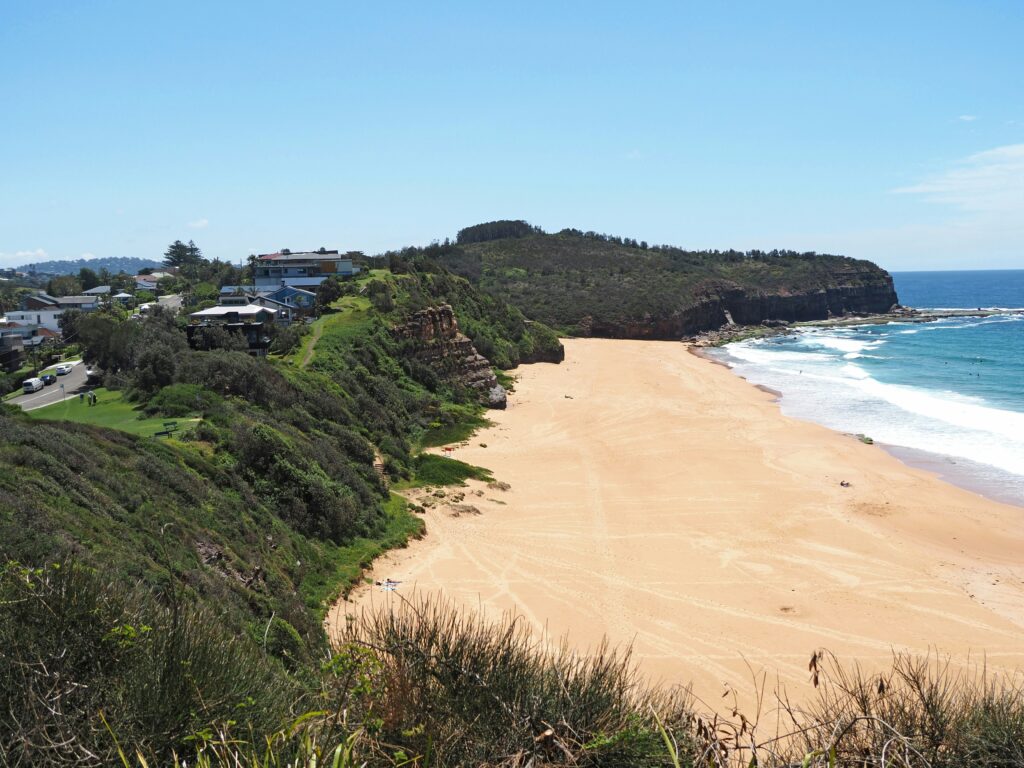
What is Coastal Foraging? A Primer on Wild Food Harvesting
Coastal foraging is the practice of identifying, responsibly harvesting, and utilising edible plants, seaweed, shellfish, and other marine life from the seashore. In the context of Australia, it intertwines deeply with over 60,000 years of Aboriginal bush tucker knowledge. A modern Sydney coastal foraging tour typically blends this ancient wisdom with contemporary culinary trends and stringent environmental ethics. It’s a hands-on learning experience that teaches you to view the landscape as a living pantry, full of nutritious and flavourful wild foods like succulent samphire, briny sea lettuce, plump pipis, and aromatic coastal herbs. This practice, often called wild food foraging or beachcombing for food, is a step towards food sovereignty and a tangible connection to the ecosystem.
The Essential Rules: Legality, Sustainability, and Safety
Before you pluck a single plant, understanding the rules is non-negotiable. This is the most critical chapter for any responsible forager.
1. Legal Regulations in New South Wales
Foraging in NSW is governed by strict laws to protect fragile ecosystems. It is illegal to forage in National Parks, Marine Protected Areas, or Wildlife Sanctuaries without a permit. Most organised Sydney foraging tours operate with the necessary permissions or on private lands. For shellfish, a recreational fishing licence is required in NSW, and there are strict bag limits and size restrictions for species like pipis and cockles. Always check the latest NSW Department of Primary Industries (DPI) regulations. Foraging on some public beaches and crown land may be permissible, but local council bylaws can vary.
2. The Golden Rule of Sustainable Foraging
Sustainability ensures these resources exist for generations. Adhere to the “1-in-20” or “1-in-30” rule: never take more than one part from every twenty or thirty you see. Only harvest abundant species, never take the entire plant (especially the roots), and avoid rare or protected flora. A good coastal foraging guide will teach ethical wild harvesting principles, ensuring you “tread lightly and take sparingly.”
3. Safety First: Identification is Key
This cannot be overstated: Misidentification can be fatal. Many toxic plants have edible look-alikes (e.g., hemlock vs. wild celery). Shellfish can accumulate harmful biotoxins from algal blooms, leading to serious poisoning. Never consume anything you cannot identify with 100% certainty. This is the primary reason joining a guided foraging tour Sydney with an expert is highly recommended, especially for beginners. Experts teach safe foraging practices and edible plant identification.
Prime Sydney Coastal Foraging Locations (With Expert Tips)
While expert foragers often guard their favourite secret spots, several accessible areas around Sydney are known for their bounty. Remember, conditions change with tides, seasons, and weather.
1. The Royal National Park Coastline
South of Sydney, this park offers diverse ecosystems. Important: Foraging within the national park itself is illegal without a permit. However, knowledgeable guides with permits operate tours here, or you can focus on the principles of identification and observation. The rocky platforms and estuarine areas are rich in learning opportunities for edible seaweed identification and spotting coastal herbs.
2. The Hawkesbury River Estuary System
The intricate network of estuaries, beaches, and mangroves around Brooklyn, Patonga, and Lion Island is a productive zone for foraging. Areas here can yield pipis, mangrove crabs, and saline-tolerant plants. Always be aware of water quality warnings and fishing zones.
3. Lesser-Known Northern Beaches Coves
Quiet, rocky coves away from the main surf beaches can be treasure troves for sea vegetables like gutweed (Ulva) and sea lettuce. Rock pools at low tide may also hold edible periwinkles. Stress on low tide foraging is crucial here for access and safety.
4. The South Coast (Beyond Sydney)
For a dedicated foraging trip, regions like the Shoalhaven or around Jervis Bay offer pristine environments with abundant resources. This is often the setting for multi-day wild food experience workshops.
A Forager’s Calendar: Seasonal Bounty on the Coast
Foraging is a seasonal pursuit. A savvy forager knows what to look for and when.
- Spring (September-November): A time of growth. Coastal herbs like Sea Celery (Apium prostratum) are fresh and vibrant. New shoots of Warrigal Greens (Tetragonia tetragonioides) appear. It’s an excellent time for tender beach greens.
- Summer (December-February): The peak for many edible flowers and fruits. Look for Pigface (Carpobrotus glaucescens) fruit. Seaweeds are often plentiful. Be extra cautious of biotoxins in shellfish in warmer waters.
- Autumn (March-May): A fantastic time for mushrooms in coastal hinterlands (a separate, expert-level skill). Many perennial greens are still harvestable. Seaweed varieties like Bull Kelp can be good.
- Winter (June-August): Some hardy greens like Warrigal Greens thrive. It’s a prime time for harvesting certain shellfish after the summer algal bloom risk has passed, though always check current DPI alerts.
Meet the Coastal Pantry: Common Edible Finds on a Sydney Tour
Here’s a visual guide to some common, identifiable treasures (remember, this is not a substitute for in-person expert guidance).
Sea Vegetables (Edible Seaweeds):
- Sea Lettuce (Ulva spp.): Bright green, translucent sheets. A salty, crisp addition to salads and soups.
- Gutweed (Ulva intestinalis): Bright green, tubular. Similar use to sea lettuce.
- Bull Kelp (Durvillaea potatorum): Large, leathery brown kelp. Often used dried as a flavourful stock base or “sea vegetable jerky.”
- Sea Rocket (Cakile spp.): A peppery, leafy plant growing in sandy dunes, not a seaweed but a coastal herb.
Coastal Plants & Succulents:
- Warrigal Greens (NZ Spinach): A leafy green that cooks like spinach but with a milder, earthy flavour. Must be blanched to remove oxalates.
- Sea Celery: Looks like thin-stalked celery with a strong, aromatic, salty-celery flavour. Fantastic for seasoning.
- Samphire (Salicornia spp.): Also called “sea asparagus,” it’s a crunchy, juicy, intensely salty succulent stem. Often blanched or pickled.
- Pigface: Its vibrant purple flowers are a sight. The red, fig-like fruit is sweet and tangy. The leaves can also be used (pickled or cooked).
Shellfish & Marine Life (Subject to STRICT Regulations):
- Pipis (Plebidonax deltoides): Small, wedge-shaped clams found in sandy surf beaches. Check DPI for size limits, bag limits (usually 50 per person), and any harvest bans due to toxicity.
- Cockles (Arcidae family): Found in sandy mudflats and estuaries. Similar regulations apply.
- Periwinkles & Other Marine Snails: Small gastropods found on rocky shores. Require patience and skill to collect and prepare.
Why Join a Guided Sydney Coastal Foraging Tour? The Unbeatable Benefits
While independent foraging is possible after extensive study, a guided tour offers unparalleled advantages, especially in a complex environment like the coast.
- Expert Knowledge & Safety: Learn from a bush tucker guide or marine biologist who can guarantee safe identification and teach you to recognise dangerous look-alikes.
- Legal and Ethical Assurance: Reputable operators secure the necessary permits and instill core sustainable harvesting ethics, ensuring your activity is legal and non-damaging.
- Deep Cultural Context: Many top guides, like those from Guringai Aboriginal Tours or others with Indigenous heritage, provide invaluable Aboriginal food sources knowledge, sharing the cultural and spiritual significance of the land and its bounty.
- Culinary Inspiration: Tours often conclude with a tasting session or cooking demo, showing you how to transform your foraged finds into delicious dishes, from seaweed salads to pipi pasta.
What to Expect on a Typical Guided Foraging Tour
A well-run half-day Sydney coastal foraging experience might follow this flow:
- Meet & Safety Briefing: The guide outlines legal and safety rules, sustainable principles, and the day’s plan.
- Tide-Dependent Walk: The tour is timed with a low tide for maximum access to rock platforms and beaches.
- Interactive Identification: The guide stops frequently to point out edible species, their uses, and any hazardous look-alikes. You’ll learn about plant families and key identification features.
- Responsible Harvesting Practice: Participants are shown how to correctly and sparingly harvest different types of flora and fauna.
- Tasting & Culinary Talk: The guide often prepares simple, on-the-spot tastings (e.g., sampling a freshly rinsed piece of sea lettuce) and discusses preservation methods like drying, pickling, and cooking.
- Q&A and Conclusion: The tour ends with a summary and resources for further learning.
Preparing for Your Foraging Adventure: A Packing Checklist
- Sturdy, Non-Slip Footwear: Closed-toe shoes with excellent grip for wet, slippery rocks (think reef shoes or hiking sandals with grip).
- Weather-Appropriate Clothing: Sun-protective clothing (long sleeves, hat), rain jacket, or warm layers. Avoid single-use plastics.
- Harvesting Tools: Small scissors or a sharp knife (for plants), a mesh bag or bucket (for shellfish to allow size sorting and sand expulsion), gardening gloves.
- Essentials: Sunscreen, insect repellent, plenty of drinking water, snacks.
- A Camera & Notebook: For photographing (not picking) unknown plants and jotting down notes.
- A Sense of Curiosity and Respect: The most important tools of all.
From Shore to Table: Simple Recipes for Your Foraged Finds
After a successful, responsible harvest, here’s how to enjoy your bounty:
- Warrigal Greens Spanakopita: Blanch Warrigal Greens (to remove oxalates), chop, and mix with feta, egg, and herbs as a filling for filo pastry.
- Seaweed & Sesame Salad: Rehydrate or use fresh tender seaweeds (sea lettuce, gutweed). Toss with a dressing of rice vinegar, soy, sesame oil, and toasted sesame seeds.
- Samphire Sauté: Briefly blanch samphire to reduce saltiness, then sauté in butter with garlic and a squeeze of lemon. A perfect accompaniment to fish.
- Pipi Pasta: Purge pipis in clean seawater. Sauté garlic and chilli in olive oil, add pipis and a splash of white wine, cover until they open. Toss through cooked pasta with parsley.
Conclusion: Your Next Step into a Wilder Sydney
A Sydney coastal foraging tour is a doorway to a different way of seeing. It transforms a simple beach walk into a detective hunt, a biology lesson, a cultural history class, and a gourmet adventure all in one. It teaches humility, respect for nature’s limits, and awe for its generosity. By choosing a responsible, educational tour, you invest in an experience that nourishes not just your body, but also your understanding of the beautiful and fragile coastline we call home.
Ready to explore Sydney’s edible shoreline? Your adventure into the world of wild food identification, sustainable seafood harvesting, and Aboriginal culinary heritage awaits. Book a tour with a certified guide, arm yourself with knowledge, and prepare to taste Sydney in its most authentic, untamed form.