Sydney Zoo tickets in 2026 start from around $28 for standard admission, with a Family Bundle of two adult and two child day passes available for $110. Located at Bungarribee in Western Sydney, around 38km from the CBD, Sydney Zoo is home to more than 4,000 animals across 150-plus species, and is the only combined zoo and aquarium in New South Wales, complete with the world’s largest Reptile and Nocturnal House.
It’s genuinely important to know this is a completely different attraction to both Taronga Zoo and WILD LIFE Sydney Zoo in Darling Harbour — Sydney Zoo sits in Bungarribee, part of the Western Sydney Parklands, with its own separate operator, ticketing, and design. This guide covers 2026 pricing, what’s actually inside, and how to get there.
2026 Ticket Prices
| Ticket Type | Price (AUD) | Notes |
|---|---|---|
| Adult, general admission | From $28 | Check official site for current rate |
| Family Bundle (2 adults + 2 kids) | $110 | Day passes for the whole family |
| Annual Pass | Separate pricing | 12 months entry + 10% off food, encounters, retail |
| Animal encounters | Separate pricing | Booked in addition to standard entry |
| Pay in 4 | Available at checkout | Split cost into 4 interest-free instalments over 6 weeks |
It’s worth booking online in advance and selecting a specific time slot, since Sydney Zoo often requires this for entry rather than allowing unlimited walk-up access, particularly during busier periods. Checking the official Sydney Zoo website and social media for current promotions and discount codes before booking is worth doing, since pricing and offers shift periodically.
What’s Inside
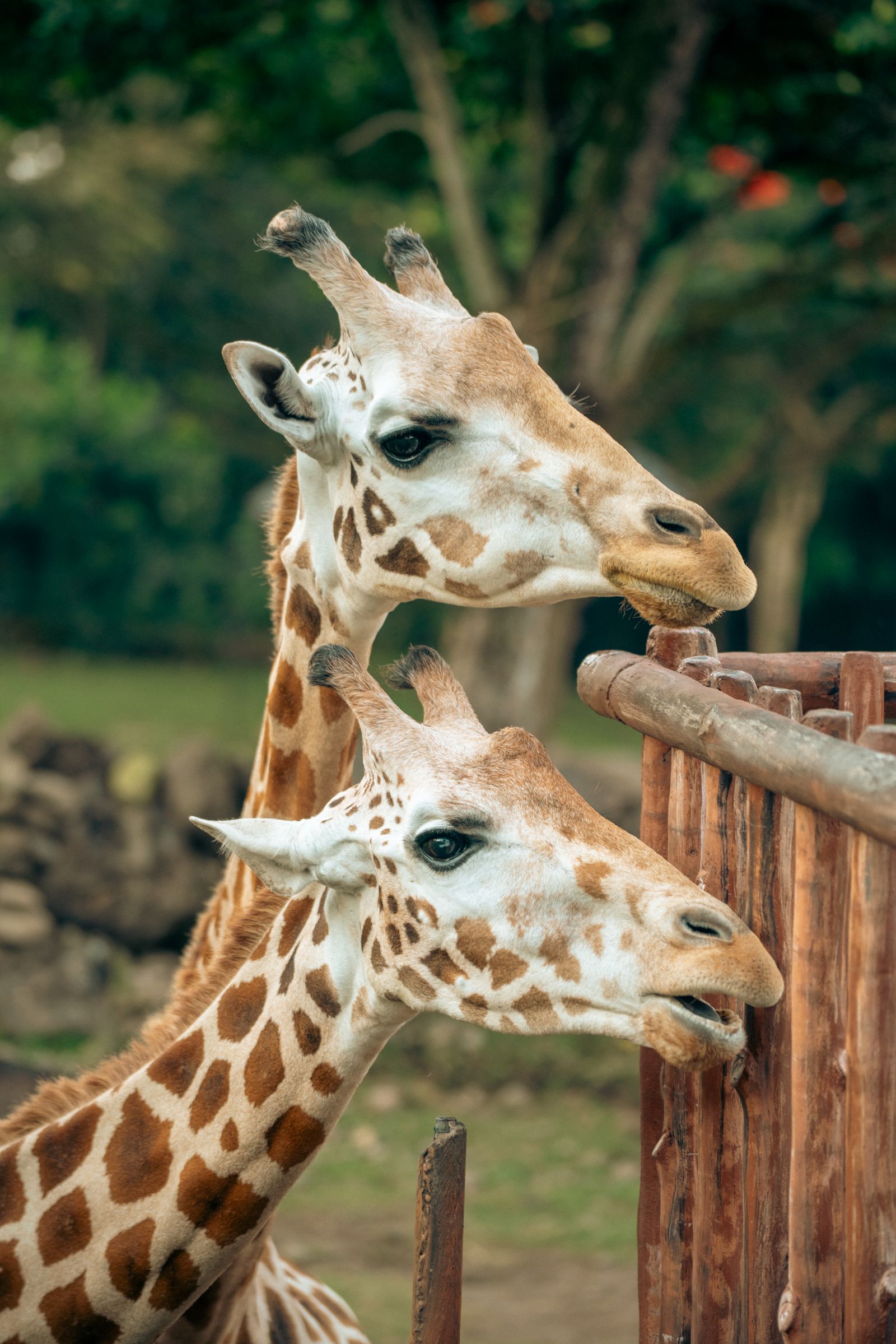
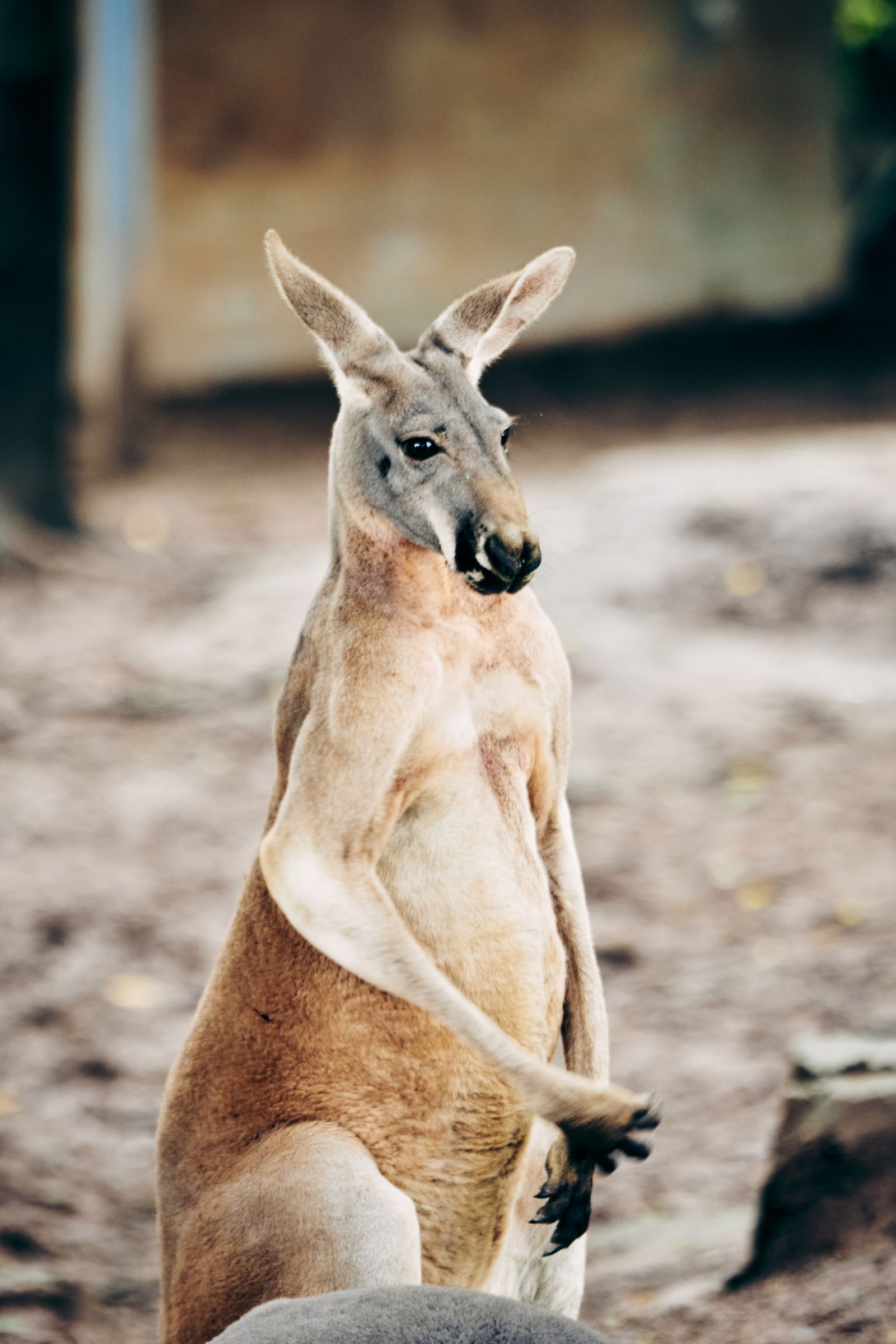
Sydney Zoo is genuinely the only combined zoo and aquarium in New South Wales, and it’s also home to the world’s largest Reptile and Nocturnal House, giving it a distinct identity compared to Sydney’s other major zoos. The African Boardwalk takes you through savannah-style mixed-species habitats, home to animals like lions and giraffes viewed from some of the best vantage points in the park. Primate Boulevard covers Southeast Asian wildlife, including red pandas and tigers, while the open-range Australia habitat lets kangaroos and wallabies roam freely around meandering pathways, giving genuinely close encounters with Australia’s most iconic native species.
Bungarribee Dreaming
Beyond the animal habitats, Sydney Zoo’s Bungarribee Dreaming experience offers visitors a genuine introduction to First Nations culture and history tied specifically to the local area. This is worth building into your visit if you’re interested in the Traditional Owners’ connection to the land the zoo now sits on, adding a cultural and educational dimension to what’s otherwise a straightforward wildlife-viewing day out. It’s a distinctive feature not replicated at Sydney’s other major zoos, and worth prioritising if this kind of content genuinely interests your group.
VR and Interactive Experiences
Sydney Zoo’s VR Hut, located on Primate Boulevard, offers seven different virtual reality experiences, adding a genuinely different, tech-driven element to the standard zoo visit. A self-led augmented reality trail also runs through the park, encouraging visitors to follow clues and capture photos and videos along the way, giving families and younger visitors an extra interactive layer beyond simply viewing animals. These additions are worth factoring into how much time you budget for your visit, since they genuinely add to the day rather than being a quick five-minute distraction.
Sydney Zoo vs. WILD LIFE Sydney Zoo vs. Taronga Zoo
It’s genuinely important to distinguish Sydney Zoo from Sydney’s two other major wildlife attractions, since the similar naming causes real confusion for first-time visitors comparing options online. WILD LIFE Sydney Zoo, covered in our separate guide, sits in Darling Harbour, right in the CBD, and focuses specifically on Australian native animals in a compact, indoor-outdoor format. Taronga Zoo, also covered separately, sits on Sydney Harbour at Mosman, reachable by ferry, and combines a mix of native and exotic species with genuinely spectacular harbour views. Sydney Zoo, by contrast, is a larger, more traditional outdoor zoo at Bungarribee in Western Sydney, combining a full zoo with an aquarium and offering the widest single-visit variety of exotic, international species among the three, from African savannah animals to Southeast Asian wildlife.
Accessibility
Sydney Zoo is specifically designed with accessibility in mind, featuring no hills or steps throughout the park, making it a genuinely easier physical visit than some of Sydney’s other outdoor attractions built on more varied terrain. The venue caters for visitors who use wheelchairs, have hearing loss, travel with a support person, or use mobility aids, with step-free main entrances and accessible toilet and change facilities. This makes it a particularly strong choice for families or groups including visitors with mobility considerations who might find a hillier zoo layout genuinely more difficult to navigate comfortably across a full day.
How Long to Budget for a Visit
Most visitors find 1.5 to 2.5 hours sufficient to see all the main exhibits at Sydney Zoo, though families with young children or anyone preferring a more leisurely pace should budget up to three hours to properly enjoy the park without feeling rushed. Given the flat, step-free layout, moving between exhibits is generally quicker and less physically demanding than at hillier zoos, which can help visitors cover more ground within a shorter visit if time is limited. Adding the VR experiences or the augmented reality trail on top of standard viewing genuinely extends the visit, worth factoring in if these interactive elements interest your group.
GLOW: The Evening Light Festival
Sydney Zoo periodically runs GLOW, a special evening event featuring more than 70 giant illuminated animal lanterns and light installations across the park, transforming the standard daytime zoo experience into a genuinely different, atmospheric evening event. This runs as a seasonal, limited-time event rather than a year-round offering, so it’s worth checking the official Sydney Zoo website or social media for current GLOW dates if this kind of evening light festival experience appeals to your group. Given the scale of the installations described, this is worth treating as a genuinely separate experience from a standard daytime zoo visit, potentially worth a dedicated evening trip rather than combining it with daytime viewing.
Getting There
Sydney Zoo is located at 700 Great Western Highway, Bungarribee, within Eastern Creek and the wider Western Sydney Parklands, with easy access from both the M7 and M4 motorways, making it genuinely convenient for anyone driving from most parts of Sydney. On-site parking is available for visitors arriving by car, which is the most straightforward way to reach the zoo given its location outside the CBD. Public transport options exist but require more planning than a straightforward CBD attraction, and some visitors specifically note that public transport can become less convenient on busy, sunny days when demand is higher, worth keeping in mind if you’re relying on buses or trains rather than driving.
Dietary and Access Needs
Sydney Zoo caters for visitors with allergies and intolerances, adhering to food authority requirements for allergy management in its food preparation areas, worth confirming directly with staff if anyone in your group has specific dietary needs. The venue also accommodates visitors with high support needs travelling with a support person, and caters for guests who are deaf or have hearing loss, reflecting a genuinely broad approach to accessibility beyond just physical mobility. This level of detail is worth knowing about in advance if any of these considerations apply to your group, since it suggests a venue genuinely built with a wide range of visitor needs in mind rather than accessibility being an afterthought.
Where to Book
Sydney Zoo tickets can be booked directly through sydneyzoo.com, or through third-party platforms including Viator, Trip.com, Tiqets, and Experience Oz, several of which offer smartphone ticket entry and current promotional discounts. Trip.com specifically runs promo codes for new users, including a 10% discount capped at AUD 6 and a separate 5% off offer, worth checking if you’re a first-time user of that particular platform. Booking directly through the official site is often the most reliable way to confirm current pricing, available time slots, and any active promotions, while third-party platforms can be useful for comparing prices or finding a discount code specific to that provider.
The Annual Pass
For Sydney locals or visitors planning multiple trips within a year, the Sydney Zoo Annual Pass gives unlimited entry for 12 months, along with a 10% discount on food, beverages, animal encounters, and retail purchases. Given the zoo’s Western Sydney location makes it a genuinely convenient, regular destination for families living in that part of the city, an annual pass can work out considerably cheaper than paying standard admission more than a couple of times within the year, and the added discount on food and encounters adds further ongoing value beyond just the entry savings.
Animal Encounters
Beyond standard entry, Sydney Zoo offers a range of animal encounters and experiences bookable separately, giving visitors a chance to get genuinely closer to specific species than standard exhibit viewing allows. These typically require advance booking and come at an additional cost on top of general admission, worth planning for specifically if a particular animal encounter is the main reason for your visit. Checking the official website’s current encounter offerings before your trip is worth doing, since availability and specific animals on offer can shift over time.
What to Wear and Bring
- Comfortable walking shoes, even though the flat, step-free layout is easier going than many other zoos.
- Sunscreen and a hat, given the largely outdoor, exposed nature of the African Boardwalk and Australia habitat.
- A refillable water bottle, particularly for a full visit during warmer months.
- A camera or phone, given the zoo’s habitat design offers genuinely strong photo opportunities across its various zones.
- Cash or card for food, animal encounters, or retail purchases not included in standard admission.
Combining Sydney Zoo with Other Western Sydney Attractions
Given Sydney Zoo’s location within the Western Sydney Parklands, it’s worth considering combining a visit with other attractions in that part of the city rather than treating it as an isolated trip. Some tour operators specifically bundle Sydney Zoo into broader day tours alongside the Blue Mountains and a Darling Harbour cruise, worth checking if you’re planning a Blue Mountains day trip and want to add a zoo stop without needing a completely separate outing. For visitors driving themselves, the Western Sydney Parklands more broadly offer additional outdoor recreation options worth exploring if you’re making the trip out to this part of Sydney specifically for the zoo.
Key Takeaways
- Sydney Zoo tickets start from around $28, with a Family Bundle (2 adults + 2 kids) available for $110.
- Sydney Zoo is a completely different attraction to Taronga Zoo and WILD LIFE Sydney Zoo, located at Bungarribee in Western Sydney.
- It’s the only combined zoo and aquarium in NSW, with the world’s largest Reptile and Nocturnal House.
- The flat, step-free layout makes it one of the more accessible major zoos in Sydney.
- GLOW, a seasonal evening light festival with 70+ illuminated animal lanterns, runs periodically — check current dates.
Frequently Asked Questions
How much are Sydney Zoo Bungarribee tickets?
Tickets start from around $28 for adults, with a Family Bundle (2 adults + 2 kids day passes) available for $110.
Is Sydney Zoo the same as Taronga Zoo?
No, they’re completely different attractions. Sydney Zoo is at Bungarribee in Western Sydney; Taronga Zoo is on Sydney Harbour at Mosman.
Is Sydney Zoo the same as WILD LIFE Sydney Zoo?
No, WILD LIFE Sydney Zoo is a separate, smaller attraction in Darling Harbour. Sydney Zoo at Bungarribee is a larger, standalone zoo and aquarium in Western Sydney.
How do I get to Sydney Zoo?
Sydney Zoo is at 700 Great Western Highway, Bungarribee, with easy access from the M7 and M4 motorways. On-site parking is available.
How long should I spend at Sydney Zoo?
1.5 to 2.5 hours for a standard visit; up to 3 hours for families or a more leisurely pace.
Is Sydney Zoo wheelchair accessible?
Yes, the zoo is specifically designed with no hills or steps, and caters for visitors with a range of accessibility needs.
What animals can I see at Sydney Zoo?
Over 4,000 animals across 150-plus species, including African savannah animals, Southeast Asian wildlife like red pandas and tigers, and free-roaming kangaroos and wallabies.
Is there an annual pass for Sydney Zoo?
Yes, the Annual Pass gives unlimited entry for 12 months plus 10% off food, encounters, and retail.
Related Guides
For more Sydney wildlife attractions, see our guides to Taronga Zoo Tickets and WILD LIFE Sydney Zoo Tickets.
Final Thoughts
It’s worth being deliberate about choosing between Sydney’s three major zoo-style attractions rather than defaulting to whichever is most familiar by name. If harbour views and a genuinely iconic ferry-and-cable-car experience matter to your trip, Taronga remains the standout choice despite requiring a longer half-day commitment. If central convenience and a compact, indoor-outdoor format suit a tighter CBD-based itinerary, WILD LIFE Sydney Zoo delivers that in Darling Harbour. If you’re after the widest single-visit variety of exotic international species, genuinely easy accessibility, and don’t mind the drive out to Western Sydney, Sydney Zoo at Bungarribee is worth the trip, particularly for families specifically living in or visiting that part of the city who’d otherwise face a considerably longer journey into the CBD for a comparable wildlife experience.
Reviews for Sydney Zoo consistently highlight the flat, accessible layout and the genuine variety of species on show as standout strengths, particularly from families with young children or visitors with mobility considerations who’ve found other Sydney zoos harder to navigate comfortably across a full day. Some reviews do note that the Western Sydney location, and the corresponding need for a car or a more involved public transport journey, is worth weighing against the more central alternatives, particularly for visitors without their own vehicle relying purely on Sydney’s public transport network. Reading a handful of recent reviews specifically covering transport logistics from your accommodation is worth doing if you’re not driving, given how much more central Taronga and WILD LIFE Sydney Zoo both sit by comparison.
For international visitors specifically without access to a hire car, it’s worth weighing the genuine travel time cost of Sydney Zoo’s Western Sydney location against its lower ticket price and broader species variety compared to the more central alternatives. A round trip involving public transport and potentially a bus connection from the nearest train station adds real time to what’s otherwise a straightforward day out, and it’s worth factoring this into your overall Sydney itinerary planning rather than assuming the zoo fits neatly into a single CBD-based day alongside other central attractions. For visitors with a hire car already planned for a Blue Mountains day trip or other Western Sydney exploration, adding Sydney Zoo to the same driving day makes considerably more practical sense than a dedicated public-transport-only trip purely for the zoo.
Weekday visits, particularly outside NSW school holidays, generally offer a quieter, less crowded experience than weekends, worth considering if avoiding queues at popular exhibits and encounter bookings is a priority. Given the zoo’s genuine popularity with Western Sydney locals specifically, weekend mornings and school holiday periods tend to draw the largest crowds, and booking your preferred time slot well ahead during these periods is worth doing rather than assuming walk-up availability will be straightforward. Outside these peak windows, the zoo’s flat, spacious layout generally handles moderate crowds comfortably without the bottlenecks that can occur at more compact, hillier attractions elsewhere in Sydney.
Ultimately, Sydney Zoo’s genuine strengths — the only combined zoo and aquarium in NSW, the world’s largest Reptile and Nocturnal House, a flat and accessible layout, and one of the widest single-visit species collections in Sydney — make it a legitimately worthwhile attraction in its own right, not simply a budget alternative to Taronga or WILD LIFE Sydney Zoo. At around $28 for standard admission, it’s genuinely competitively priced, and the Family Bundle makes a full family outing considerably more affordable than at some comparable attractions. Whether you’re a Western Sydney local considering an annual pass or a visitor with a car and a day to spare, checking current pricing and booking a specific time slot ahead of your visit are the two practical steps most likely to make your Sydney Zoo day genuinely worthwhile.
For anyone planning a visit specifically around GLOW or another seasonal event, it’s worth booking noticeably further ahead than for a standard daytime visit, given the additional draw these events bring beyond the zoo’s regular visitor base. Evening events in particular tend to sell out faster than daytime slots, and with limited seasonal availability, checking the official calendar and securing tickets as soon as dates are announced is genuinely worth doing if a specific illuminated evening event is the primary reason for your visit rather than an optional add-on to a standard daytime trip.
Check current pricing, promotions, and time slot availability directly on the official Sydney Zoo website before your visit, since rates and offers can shift periodically. With that final check done, you’re set for a genuinely distinctive Sydney wildlife day out — one that trades harbour views for sheer variety, accessibility, and a species collection that stands apart from anything else the city’s other zoos offer.
Sydney Zoo at Bungarribee genuinely earns its place alongside Taronga and WILD LIFE Sydney Zoo as a distinct, worthwhile wildlife attraction rather than a lesser alternative to either. Its status as the only combined zoo and aquarium in NSW, paired with the world’s largest Reptile and Nocturnal House and a genuinely accessible, flat layout, gives it a real identity of its own. At around $28 for standard admission, it’s competitively priced, and the Family Bundle makes it a genuinely affordable day out for families specifically. Booking online in advance, checking current promotions, and allowing at least two hours to properly explore the African Boardwalk, Primate Boulevard, and the open-range Australia habitat are the details most likely to make your visit worthwhile, whether you’re a Western Sydney local or visiting specifically for the day.