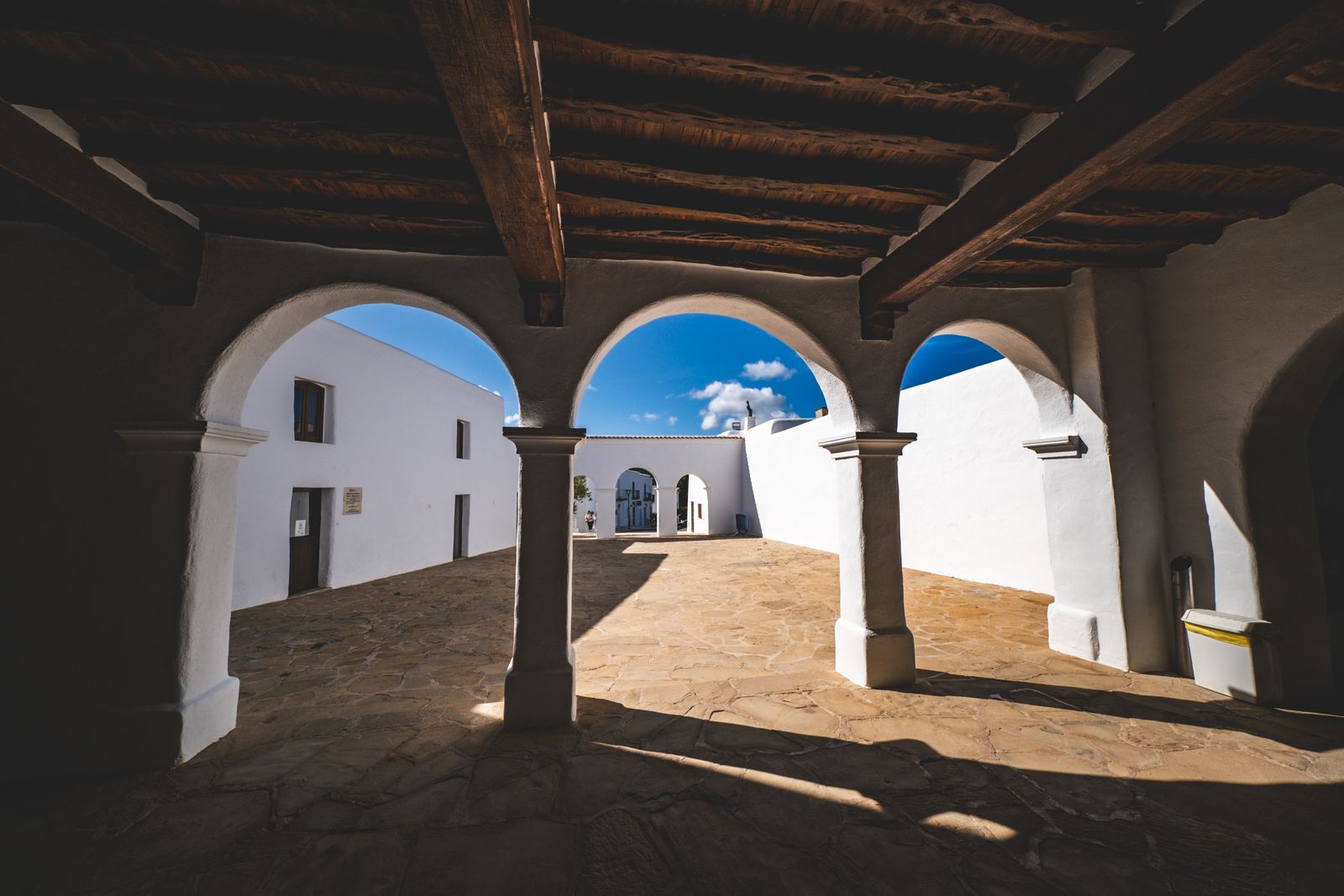
The Italian Forum is a Tuscan-style piazza precinct on Norton Street in Leichhardt, built on land granted to Sydney’s Italian community by the NSW Government in 1988 and opened in 1999–2000. It houses restaurants, cafes, boutique retailers, the Leichhardt Library, and the Italian Cultural Centre around a central public piazza, and hosts a weekly twilight market and an annual Italian festival. Entry to the piazza is free and it’s open daily.
Leichhardt has been known as Sydney’s Little Italy since large numbers of Italian migrants settled in the area after World War II, and the Italian Forum is the physical heart of that history — a purpose-built piazza rather than just a strip of Italian restaurants. This guide covers where it came from, what’s actually there today, and how to plan a visit.
A Brief History
In 1988, then-NSW Premier Neville Wran granted a 12,000 square metre parcel of land on Norton Street to Sydney’s Italian community, recognising Leichhardt’s cultural significance to Italian migrants who had settled there from the late 1940s onward. Construction took over a decade to get right, and the Forum opened around 1999–2000, built around a Tuscan-inspired piazza design with tan and burnt-red architecture meant to evoke a 16th-century Italian town square. The Leichhardt Library relocated into the complex in 2003, and the site underwent a major revitalisation in 2016. The Italian Cultural Centre component was acquired by Co.As.It., the Italian Association of Assistance, in 2015.
What’s Actually There Today
The Forum is made up of five parts: a residential strata (apartments above the retail level), a commercial strata, the public Piazza, the Italian Cultural Centre, and an on-site carpark. Around the piazza and galleria, you’ll find a mix of cafes, restaurants, boutique fashion retailers, an optometrist, beauty and health services, and the Leichhardt Library. The Italian Cultural Centre building itself is now occupied by Actors Centre Australia, alongside Co.As.It.’s own cultural and community programs.
- Where: Norton Street, Leichhardt
- Piazza entry: free, open daily
- Getting there: light rail to Leichhardt North, or bus along Norton Street
- Facilities: on-site carpark, library, restaurants, cafes, boutique shops
The Piazza and Architecture
The centrepiece of the Forum is its open-air piazza, ringed by galleried walkways in Tuscan-inspired tan and burnt-red tones, deliberately designed to evoke an Italian town square rather than a standard Australian shopping strip. Restaurants and cafes spill outdoor seating into the piazza, which is the main draw for a casual visit — sitting with a coffee or a meal while taking in the architecture, even without a specific event on.
Dining at the Forum
Restaurants and cafes around the piazza range from casual trattoria-style spots to more formal Italian dining, reflecting the area’s decades-long Italian food culture. Because tenancy at the Forum has changed over the years — it’s had a genuinely mixed history commercially — it’s worth checking current listings or simply walking the piazza to see what’s operating on the day, rather than relying on older reviews for specific restaurant names. Norton Street itself, just outside the Forum, has an even denser strip of long-running Italian restaurants, cafes, and grocers if the Forum’s own dining options don’t cover what you’re after.
Norton Street: Beyond the Forum
The Italian Forum sits just off Norton Street, which is the wider commercial spine of Sydney’s Little Italy and worth treating as part of the same visit rather than a separate trip. Norton Street has a long-running concentration of Italian restaurants, cafes, gelato shops, and grocers, along with a Palace Cinemas branch for a film after dinner. Combining a Forum visit with a walk along Norton Street gives a fuller picture of the area than the piazza alone.
Italian Forum Twilight Market
Launched in August 2025, the Italian Forum Twilight Market runs every Saturday from 4pm to 9pm in the piazza, featuring artisan food and Italian street eats, local makers and handmade goods, live music, and boutique stalls. It’s a relatively new addition to the Forum’s calendar and one of the more reliable reasons to plan a Saturday evening visit specifically, rather than a daytime one.
- When: every Saturday, 4pm to 9pm
- Where: the Forum’s central piazza
- What to expect: food stalls, live music, local makers and boutique goods
- Cost: free entry to browse
Norton Street Italian Festa
Leichhardt’s annual Italian festival, the Norton Street Italian Festa, centres on the Forum and the surrounding street, with around 200 market stalls, cooking demonstrations, cheesemaking classes, and live performances by Italian artists and local choirs. It’s the single biggest event on the area’s calendar and worth checking dates for if you’re planning a visit around Italian culture and food specifically rather than just the everyday piazza experience.
Getting There
Leichhardt sits in Sydney’s Inner West, a short trip from the CBD. The Forum has its own on-site carpark, which is the most convenient option if driving, though Norton Street itself can get busy with street parking on weekends and during events like the Twilight Market. Public transport options include light rail to Leichhardt North followed by a short walk, or several bus routes running directly along Norton Street from the city and surrounding suburbs.
Best Time to Visit
Saturday evenings are the standout choice now that the Twilight Market runs weekly, combining the piazza’s atmosphere with food stalls and live music. For a quieter visit, weekday mornings or early afternoons let you take in the architecture and grab a coffee without market crowds. If timing around the annual Italian Festa, expect the piazza and Norton Street both to be considerably busier than a typical weekend.
Key Takeaways
- The Italian Forum opened around 1999–2000 on land granted to Sydney’s Italian community in 1988.
- It combines a public piazza, restaurants, cafes, boutique shops, the Leichhardt Library, and the Italian Cultural Centre.
- The Italian Forum Twilight Market runs every Saturday from 4pm to 9pm, launched in August 2025.
- Norton Street, just outside the Forum, has Sydney’s densest concentration of Italian restaurants and cafes.
- Entry to the piazza itself is free; only specific dining or event costs apply.
Frequently Asked Questions
Is the Italian Forum in Leichhardt free to visit?
Yes, entry to the piazza is free. You only pay for what you eat, buy, or attend specific ticketed events.
When did the Italian Forum open?
Construction followed a 1988 land grant from the NSW Government, with the Forum opening around 1999–2000. It underwent a major revitalisation in 2016.
Is the Italian Forum the same as Norton Street?
No, but they’re closely connected. The Forum is a specific piazza precinct just off Norton Street, which is the wider strip known as Sydney’s Little Italy.
What is the Italian Forum Twilight Market?
A weekly Saturday evening market in the Forum’s piazza, launched in August 2025, featuring food stalls, live music, and local makers, running from 4pm to 9pm.
Is there parking at the Italian Forum?
Yes, the Forum has its own on-site carpark, though street parking on Norton Street can be busy during events and weekends.
What is the Leichhardt Library’s connection to the Forum?
The Leichhardt Library relocated into the Italian Forum complex in 2003 and remains one of its permanent tenants.
Related Guides
The Forum’s Ups and Downs
The Italian Forum’s history hasn’t been entirely smooth. In its early years it reportedly held around 22 shops and 12 restaurants around the piazza, drawing strong foot traffic from both the local Italian community and wider Sydney. Over the following two decades, as Leichhardt’s Italian-born population gradually declined and retail patterns shifted more broadly, the Forum went through periods of higher vacancy and community concern about its commercial vibrancy, including local campaigns advocating for restoration of some of its original architectural features. The 2016 revitalisation was, in part, a response to this — an attempt to reinvest in the precinct’s public spaces and draw both community and commercial activity back to the piazza.
This context is worth knowing before visiting: the Forum today reflects a genuinely long, occasionally difficult history rather than a static tourist attraction, and its current mix of tenants and events — including the new Twilight Market — represents an ongoing effort to keep the precinct active rather than a finished, unchanging product.
Shopping at the Forum
The Forum’s Galleria houses a curated set of boutique retailers rather than a large shopping centre’s worth of stores. Fashion and accessories make up a meaningful share of this, alongside more specific offerings — imported Venetian paper-mache masks and handmade Italian fashion pieces, Italian sportswear and soccer apparel, and Norton Optical, an independent optometrist and eyewear specialist carrying designer ranges. This is a browsing precinct rather than a major retail destination, better suited to a slow walk-through than a dedicated shopping trip.
Community and Cultural Role
Beyond dining and shopping, the Forum functions as a genuine community hub for Sydney’s Italian-Australian population, particularly through the Italian Cultural Centre component and Co.As.It.’s ongoing programs supporting Italian heritage, language, and aged care services in the area. The Actors Centre Australia’s presence in the Cultural Centre building adds a different, non-Italian-specific layer to the site’s cultural use. For visitors, this community dimension is part of what distinguishes the Forum from a purely commercial or tourist-oriented piazza — it’s still genuinely used by the local community it was built for, not just visitors passing through.
Visiting with Family
The piazza’s open, largely flat layout makes it manageable for visitors with prams or mobility considerations, and the mix of casual dining options suits a family meal without needing to book ahead in most cases. The Leichhardt Library within the complex is worth knowing about if travelling with kids who might need a break from walking — it’s a genuine public library with regular children’s programs, not just a Forum amenity in name only.
Nearby Attractions
A short walk from the Forum, Norton Street’s Palace Cinemas branch is a solid option for a film after a meal, offering an alternative to the mainstream multiplexes elsewhere in Sydney. For visitors with dogs, Hawthorne Canal Reserve, a short distance away, is a popular off-leash walking spot with its own dog-friendly cafe, worth combining with a Forum visit if travelling with a pet.
The Architecture in Detail
The Forum’s design deliberately references a 16th-century Tuscan piazza rather than any single real Italian town, which is part of why some critics over the years have described it as a stylised rather than strictly authentic representation of Italy. The tan and burnt-red colour palette, arched galleria walkways, and central open piazza are all recognisably Tuscan in inspiration, built at a scale that fits a single Sydney city block rather than sprawling like an actual historic town centre would. Whatever the debate about authenticity, the architecture remains one of the more distinctive pieces of themed commercial design in inner Sydney, and photographs well regardless of how one feels about the concept behind it.
A Sample Half-Day Visit
For a first visit, a reasonable half-day plan starts with a slow walk through the piazza and Galleria shops in the late morning, followed by lunch at one of the restaurants with outdoor piazza seating. From there, a walk along Norton Street covers the wider Little Italy strip — gelato, grocers, and additional dining options beyond what’s in the Forum itself. If visiting on a Saturday, timing the trip to overlap with the Twilight Market’s 4pm start extends the day into evening, combining the daytime shopping and lunch with the market’s food stalls and live music later on.
Photography at the Forum
The piazza’s symmetrical galleria and consistent colour palette make it one of the more photogenic spots in the Inner West, particularly in the softer light of late afternoon before the Twilight Market crowds arrive on Saturdays. The upper-level galleria walkways offer a wider view down into the piazza, worth seeking out if you want a shot of the full space rather than just ground-level detail.
Accessibility
The piazza’s flat, open layout is generally easy to navigate for visitors with mobility considerations, prams, or wheelchairs, with the on-site carpark providing reasonably direct access to ground-level shops and restaurants. Upper-level Galleria boutiques are accessible via stairs and lifts, though it’s worth checking with individual venues if step-free access to a specific shop or restaurant is a requirement.
Who built the Italian Forum?
It was developed on land granted by the NSW Government in 1988, under then-Premier Neville Wran, specifically for Sydney’s Italian community, with construction completing around 1999–2000.
Is the Italian Forum authentic to Italy?
It’s a stylised, purpose-built interpretation of a 16th-century Tuscan piazza rather than a direct replica of any specific real place, and its authenticity has been debated by some in the local Italian-Australian community over the years.
Can I visit the Italian Forum on a weekday?
Yes, the piazza is open daily, though it’s quieter on weekdays than Saturday evenings, when the Twilight Market runs.
Is the Italian Forum wheelchair accessible?
The ground-level piazza is generally accessible, with lifts available for upper-level Galleria shops. It’s worth checking with specific venues for detailed accessibility needs.
The Italian Cultural Centre and Co.As.It.
Co.As.It., the Italian Association of Assistance, has operated in Sydney for decades supporting the welfare, aged care, and cultural continuity of the Italian-Australian community, and its acquisition of the Italian Cultural Centre component of the Forum in 2015 tied the site more formally to that ongoing community work. This isn’t purely symbolic — Co.As.It. runs genuine services and programs connected to Italian heritage and language, distinct from the more visitor-facing piazza, dining, and retail side of the Forum. The Actors Centre Australia’s tenancy within the same Cultural Centre building adds a separate, unrelated cultural use to the site, reflecting how the Forum has evolved to house a broader mix of tenants than its original Italian-community-specific brief.
How the Forum Compares to Other Sydney Piazzas
Sydney doesn’t have many genuine piazza-style precincts, which makes the Italian Forum somewhat distinctive even setting aside its Italian theming specifically. Most comparable spaces in the city — shopping centre courtyards, for instance — are built primarily as retail infrastructure rather than as a public square with a specific cultural identity attached. The Forum’s combination of a genuinely open, car-free central piazza with surrounding dining and retail gives it a different feel to Sydney’s more common indoor shopping precincts, closer in spirit to a European town square than an Australian shopping centre, even if the execution draws some criticism for being more stylised than authentic.
Final Thoughts
The Italian Forum works best when visited with an understanding of what it actually is: a purpose-built, community-founded piazza with a genuinely long and occasionally difficult commercial history, rather than a polished, unchanging tourist attraction. Its value lies as much in what it represents — a physical anchor for Sydney’s Italian-Australian community since the late 1980s — as in any single restaurant or shop within it. Paired with a walk along Norton Street and timed, where possible, around the Saturday Twilight Market or the annual Italian Festa, it makes for a genuinely worthwhile few hours in the Inner West.
It’s worth setting expectations before visiting for the first time: this is not a large-scale attraction on the order of Sydney’s harbourside landmarks, and a visit realistically takes an hour or two rather than a full day unless combined with the wider Norton Street strip or timed around a specific event. Visitors expecting a sprawling, bustling piazza on the scale of a genuine Italian town square sometimes come away underwhelmed by the Forum’s more modest, single-city-block footprint — knowing this in advance helps calibrate what kind of experience to expect.
That said, for anyone genuinely interested in Sydney’s Italian-Australian history rather than just a nice-looking piazza for photos, the Forum offers something most conventional attractions don’t: a direct, still-functioning connection to the community that built it, nearly four decades after the original land grant. That combination of history, ongoing community use, and a genuinely distinctive architectural approach is what separates it from a purely themed commercial development, and it’s the reason it’s worth the trip out to Leichhardt even for visitors who’ve seen plenty of Sydney’s more famous sights already.
If you’re building a broader Inner West day out, the Forum pairs naturally with a wider explore of Leichhardt itself beyond just Norton Street — its residential streets, smaller local shops, and community feel give a different picture of the suburb than the piazza alone. Treat the Forum as an anchor point for that wider walk rather than the entire destination, and the visit tends to feel considerably more worthwhile than a quick in-and-out stop.
Ultimately, whether the Forum feels worth the trip comes down to what you’re looking for: a quiet coffee under Tuscan-style arches on a weekday, a lively Saturday evening with market stalls and live music, or a deeper look at one of the physical landmarks of Sydney’s Italian-Australian community history. It delivers on all three, just not necessarily all at once — which is worth keeping in mind when deciding what day and time to go.
For more on this side of Sydney, see our guide to Things to Do in Leichhardt.