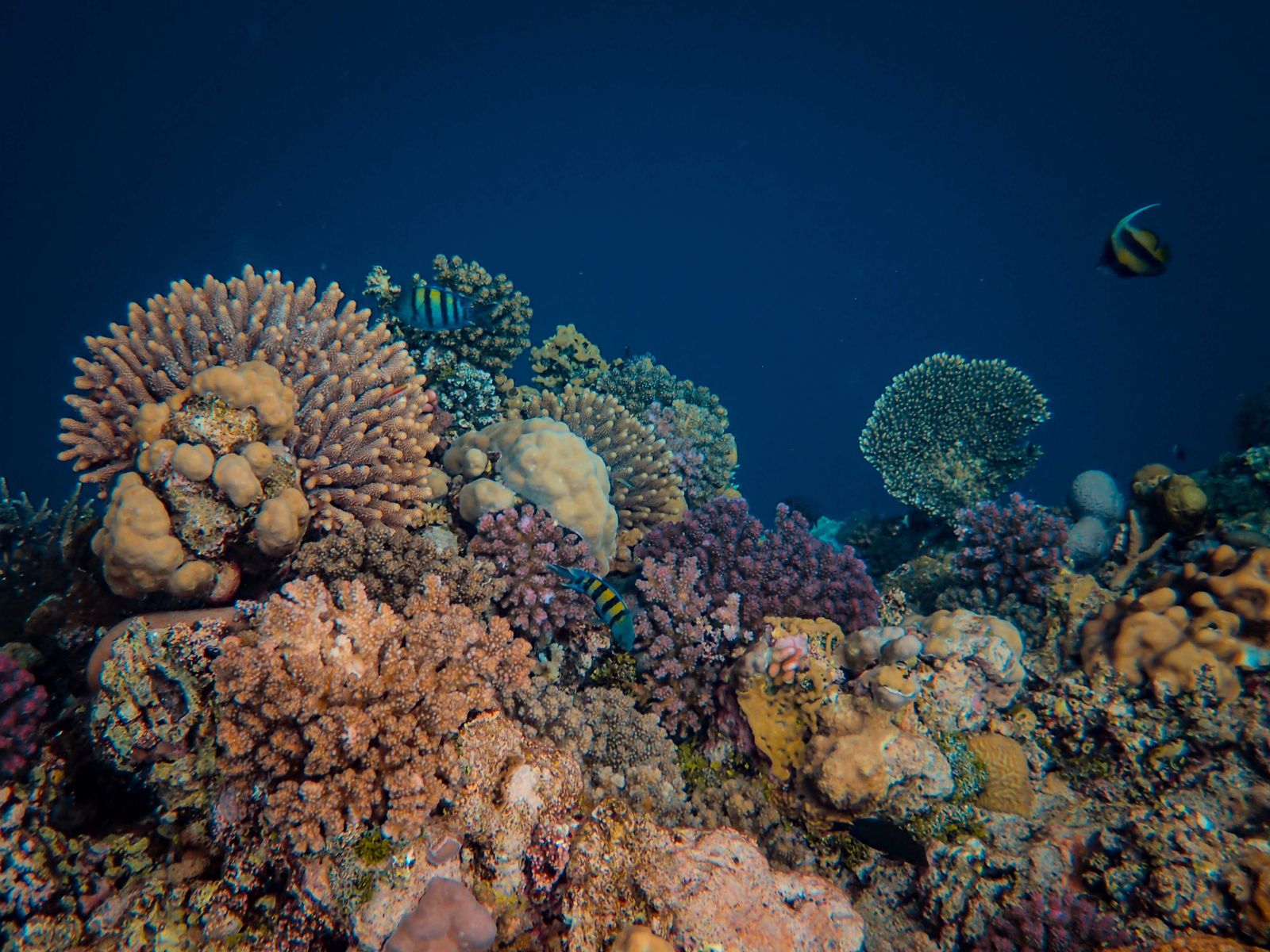
Sydney’s best snorkeling spots include Gordons Bay, Clovelly Bay, Cabbage Tree Bay at Shelly Beach, Camp Cove, Chowder Bay, and Balmoral Beach. Most are calm, sheltered harbour or bay locations rather than open ocean, with visibility generally best on calm days after a stretch without rain. No boat or tour is needed for any of these — all are accessible directly from the shore.
Sydney doesn’t get talked about as a snorkeling destination the way tropical parts of Australia do, but the harbour and a handful of sheltered ocean bays hold more marine life than most people expect — wobbegong sharks, blue gropers, cuttlefish, and occasionally seahorses, all within a short swim of the shore. This guide covers eight spots worth a mask and fins, what you’re likely to see at each, and how to get there.
Gordons Bay
Gordons Bay, between Clovelly and Coogee, has Australia’s oldest official underwater nature trail — a mapped, rope-marked route along the bay floor that divers and snorkelers have followed since the 1970s. It’s rocky rather than sandy, with kelp forests, sea urchins, and a reasonable chance of spotting a blue groper, one of the more recognisable fish in Sydney’s waters. Entry is from a small rocky platform rather than a beach, so reef shoes help.
- Where: between Clovelly and Coogee
- Best conditions: calm days with minimal swell
- Getting there: bus to Coogee, then a short walk
- What you’ll see: kelp forests, blue gropers, sea urchins
Clovelly Bay
Clovelly is one of the most sheltered snorkeling spots in Sydney, thanks to a concrete channel design that blocks most ocean swell from entering the bay. This makes it particularly good for beginners or kids, with calm, generally clear water and an easy concrete-ramp entry rather than rocks or sand. It connects directly to Gordons Bay via a short coastal path, making the two easy to combine in one trip.
- Where: Clovelly, Eastern Suburbs
- Best conditions: good in most weather, thanks to the sheltered design
- Getting there: bus from Bondi Junction or Coogee
- What you’ll see: small reef fish, occasional rays in the sandy sections
Cabbage Tree Bay, Shelly Beach
Cabbage Tree Bay Aquatic Reserve, between Manly and Shelly Beach, is a no-take marine sanctuary, meaning fishing is banned and marine life is noticeably more abundant than in unprotected areas nearby. It’s the most popular snorkeling spot on Sydney’s Northern Beaches, with regular sightings of Port Jackson sharks, cuttlefish, and large schools of fish close to shore. We cover this area in more detail in our dedicated Manly and Shelly Beach snorkeling guide.
Camp Cove, Watsons Bay
Inside the harbour rather than facing the open ocean, Camp Cove is calm, historic, and one of the easiest entries on this list — a genuine sandy beach rather than rocks. Visibility is generally lower than the ocean-facing spots on this list, since harbour water carries more sediment, but the calm conditions make it a reliable backup when swell rules out the ocean bays.
- Where: Watsons Bay
- Best conditions: reliably calm regardless of ocean swell
- Getting there: ferry to Watsons Bay, then a short walk
- What you’ll see: small fish, occasional rays; lower visibility than ocean spots
Chowder Bay, Mosman
On the harbour’s north shore, Chowder Bay has a genuine claim to being one of the better-kept snorkeling secrets in Sydney, with occasional seahorse sightings among the seagrass beds near the old wharf structures. It’s part of the Sydney Harbour National Park, with historic military buildings on the foreshore adding some context to the walk in.
- Where: Mosman, north shore of the harbour
- Best conditions: calm, protected from most weather
- Getting there: bus from Mosman, or ferry to Taronga Zoo then a walk
- What you’ll see: seagrass beds, occasional seahorses, small reef fish
Balmoral Beach
Balmoral’s netted swimming enclosure makes it one of the safest, calmest snorkeling spots in Sydney, particularly for families with kids. The net keeps out larger marine life and most boat traffic, which trades off against seeing less dramatic wildlife than the more open spots on this list — it’s a good starting point rather than a destination for experienced snorkelers chasing bigger sightings.
- Where: Balmoral, Mosman
- Best conditions: calm nearly year-round due to the netted enclosure
- Getting there: bus from Mosman or North Sydney
- What you’ll see: small fish, occasional rays; calmer but less varied than open spots
Bare Island, La Perouse
Bare Island, connected to La Perouse by a footbridge, is a more advanced spot popular with certified divers as well as snorkelers, with rocky terrain and a genuine historic fort on the island itself. Conditions here are more exposed to ocean swell than the harbour spots on this list, so it’s worth checking conditions before committing to the trip.
- Where: La Perouse
- Best conditions: calm days only; can get rough with swell
- Getting there: bus to La Perouse, then a short walk across the footbridge
- What you’ll see: rocky reef, weedy sea dragons occasionally reported
Forty Baskets Beach
One of the least crowded spots on this list, Forty Baskets sits on the harbour side of the Manly peninsula, with a netted swimming area and calm conditions similar to Balmoral but with noticeably fewer visitors. It’s a genuinely local spot, mostly used by residents of the surrounding suburb rather than visitors, which keeps both the beach and the water quieter.
- Where: Balgowlah, Manly peninsula
- Best conditions: calm, netted enclosure
- Getting there: bus from Manly; limited parking nearby
- What you’ll see: similar to Balmoral — small fish, calm conditions, less crowded
Comparing Sydney’s Snorkeling Spots
| Spot | Conditions | Best For | Marine Life Highlight |
|---|---|---|---|
| Gordons Bay | Exposed to swell | Experienced snorkelers | Blue gropers, kelp forests |
| Clovelly Bay | Sheltered | Beginners, kids | Reef fish, occasional rays |
| Cabbage Tree Bay | Sheltered, protected reserve | Best overall marine life | Port Jackson sharks, cuttlefish |
| Camp Cove | Calm harbour | Reliable backup in bad weather | Small fish, lower visibility |
| Chowder Bay | Calm harbour | Quiet, uncrowded | Seahorses, seagrass beds |
| Balmoral | Netted, very calm | Families, first-timers | Small fish, safe conditions |
| Bare Island | Exposed to swell | Advanced snorkelers/divers | Rocky reef, weedy sea dragons |
| Forty Baskets | Netted, calm | Quiet alternative to Balmoral | Similar to Balmoral, fewer people |
Why Sydney’s Marine Life Is Better Than People Expect
Sydney sits at a genuine crossover point between warm subtropical currents from the north and cooler temperate water from the south, which is part of why the marine life here is more varied than a similarly-sized city elsewhere might have. Species you’d associate with tropical reefs occasionally show up alongside distinctly temperate species like kelp-dwelling blue gropers and Port Jackson sharks, giving Sydney’s snorkeling spots a genuinely mixed character rather than fitting neatly into one category. Marine sanctuary status at spots like Cabbage Tree Bay has also made a measurable difference over the past couple of decades, with fish populations noticeably denser inside protected zones than in unprotected water nearby.
Guided Snorkeling Tours vs. Going It Alone
None of the spots on this list require a guide, and most locals and confident visitors simply turn up with their own gear. That said, a small number of operators run guided snorkeling sessions at Gordons Bay and Cabbage Tree Bay specifically, aimed at less experienced snorkelers or visitors without their own equipment. A guide adds real value at Gordons Bay in particular, since local knowledge of where the underwater trail markers are and where blue gropers tend to congregate significantly improves what you’re likely to see, compared to guessing your way along the rope trail alone.
Renting Gear vs. Bringing Your Own
If you’re not travelling with your own mask and fins, a handful of dive shops around Coogee, Manly, and the eastern suburbs rent snorkeling gear by the day, which is generally more practical than buying gear for a single trip. Rental quality varies more than people expect — an ill-fitting mask that leaks is the most common complaint from first-time renters, so it’s worth trying the mask on and checking the seal in the shop before heading to the water, rather than discovering a leak once you’re already in Gordons Bay.
Underwater Photography Tips
A basic waterproof phone case or an entry-level action camera captures most of what’s worth photographing at these spots, without needing a full underwater camera setup. Midday light penetrates furthest into the water column, which matters more for photography than for the snorkeling experience itself — late morning to early afternoon on a clear day gives the best combination of light and typically calmer conditions before afternoon sea breezes pick up. Cabbage Tree Bay and Gordons Bay are the most rewarding spots for photography, given the density and variety of marine life.
A Rough Seasonal Calendar
Marine life sightings do shift with the seasons across these spots. Blue gropers are present at Gordons Bay year-round but more active and visible in warmer months. Cuttlefish sightings at Cabbage Tree Bay tend to peak during their breeding season in the cooler months, roughly May through August, which is a useful detail for visitors specifically hoping to see them. Seahorses at Chowder Bay are reported more consistently in the warmer months when seagrass growth is fuller, giving them more cover and food to attract them to the shallower sections.
What You’ll Need
- Mask, snorkel, and fins — fins help significantly in Sydney’s harbour spots where current can be stronger than it looks.
- A rash vest or wetsuit top; even summer harbour water is cooler than most people expect.
- Reef shoes for rocky entry points like Gordons Bay and Bare Island.
- A dive flag or buddy system, since Sydney Harbour does carry boat traffic in places.
Best Time of Year and Day
Visibility across all these spots is generally best from late spring through autumn, when water temperature is higher and rainfall-driven runoff is lower — heavy rain noticeably clouds harbour spots like Camp Cove and Chowder Bay for a few days afterward. Early morning, before boat traffic picks up and before wind creates chop, tends to offer the calmest, clearest conditions, particularly at the more exposed spots like Gordons Bay and Bare Island.
Safety Tips
Sydney’s snorkeling spots are generally safe, but a few precautions matter. Always check conditions before entering exposed spots like Gordons Bay or Bare Island, since swell can pick up faster than expected. Stick to netted or clearly sheltered areas if snorkeling with children. Sydney Harbour carries genuine boat traffic in places, so staying close to shore and visible, ideally with a dive flag, reduces risk at busier spots like Camp Cove and Chowder Bay.
Key Takeaways
- Cabbage Tree Bay at Shelly Beach is Sydney’s most reliable spot for varied marine life, thanks to its protected reserve status.
- Gordons Bay has Australia’s oldest underwater nature trail, marked for both divers and snorkelers.
- Balmoral and Forty Baskets, both netted, are the safest choices for families and first-time snorkelers.
- Harbour spots like Camp Cove and Chowder Bay stay calm even when ocean swell rules out other locations.
- No boat or tour booking is required for any of the spots on this list.
Frequently Asked Questions
What is the best snorkeling spot in Sydney?
Cabbage Tree Bay at Shelly Beach is generally considered the best overall, thanks to its protected marine reserve status and consistently good marine life sightings.
Is Sydney Harbour safe for snorkeling?
Generally yes at the spots covered here, though it’s worth staying close to shore and visible, since the harbour does carry genuine boat traffic in places.
Do I need a wetsuit to snorkel in Sydney?
Not strictly, but a rash vest or thin wetsuit top is recommended even in summer, since Sydney’s water is cooler than many visitors expect.
Where can I snorkel with kids in Sydney?
Balmoral Beach and Forty Baskets Beach are the best choices, both with netted enclosures that keep conditions calm and safe.
Can I see sharks while snorkeling in Sydney?
Port Jackson sharks are commonly seen at Cabbage Tree Bay and are not dangerous to humans — they’re small, bottom-dwelling sharks rather than anything resembling a threat.
What’s the best time of year for snorkeling in Sydney?
Late spring through autumn generally offers the best water temperature and visibility, with winter being noticeably colder and sometimes clearer after long dry spells.
Do I need snorkeling experience for Gordons Bay?
Some comfort in open water helps, since Gordons Bay is more exposed than the sheltered spots on this list. Beginners are better starting at Clovelly or Balmoral.
Related Guides
Snorkeling Etiquette and Conservation
Cabbage Tree Bay’s sanctuary status exists precisely because unrestricted fishing and disturbance noticeably degrade these ecosystems over time, and the same care matters even at spots without formal protection. Basic etiquette makes a real difference: avoid touching or chasing marine life, particularly resting Port Jackson sharks and blue gropers, both of which are protected species in NSW waters. Standing on or breaking off pieces of reef or kelp for a better look causes lasting damage that takes years to recover, if it recovers at all. Taking nothing but photos applies as much in Sydney’s harbour as it does on a tropical reef.
Combining Multiple Spots in One Trip
Several of these spots sit close enough together to combine into a single day without much extra travel. Gordons Bay and Clovelly connect directly via a short coastal path, making them the easiest pairing on this list — start at the calmer Clovelly to warm up, then move to Gordons Bay for the underwater trail once you’re comfortable. On the Northern Beaches, Cabbage Tree Bay sits directly on the Manly-to-Shelly coastal walk, easy to combine with a broader day exploring that stretch of coast. Balmoral and Chowder Bay, both on the harbour’s north shore, are a reasonable pairing for a calmer, more relaxed day focused on families or less confident swimmers.
What Makes Sydney Different from Tropical Snorkeling
Visitors expecting the vivid coral-reef colour of tropical snorkeling destinations should recalibrate expectations for Sydney — this is temperate-water snorkeling, built around kelp forests, rocky reef, and a genuinely interesting mix of fish and invertebrate life rather than coral. Water clarity is generally good but rarely reaches the visibility of a tropical reef, and water temperature, even in summer, sits noticeably cooler than most tropical destinations. What Sydney trades in tropical colour, it makes up for in accessibility — every spot on this list is reachable by public transport with no boat trip required, which isn’t true of most genuine coral reef snorkeling.
Is it safe to snorkel alone in Sydney?
It’s generally safer to snorkel with a buddy, particularly at more exposed spots like Gordons Bay or Bare Island. The netted, sheltered spots like Balmoral carry lower risk for solo snorkelers.
Are there jellyfish in Sydney’s snorkeling spots?
Occasionally, particularly after onshore winds in summer. They’re rarely dangerous but can give an uncomfortable sting; checking recent conditions before entering the water is worth it during peak bluebottle season.
Can beginners snorkel at Gordons Bay?
Beginners can, but conditions are more exposed than sheltered spots like Clovelly or Balmoral. Starting at a calmer location first is a reasonable way to build confidence.
Do I need a permit to snorkel in Sydney Harbour?
No permit is required for recreational snorkeling at any of the spots on this list, though fishing is restricted or banned in protected areas like Cabbage Tree Bay.
Final Thoughts
Sydney’s snorkeling scene rewards showing up with realistic expectations and a bit of local knowledge — knowing that Gordons Bay needs calm conditions, that Cabbage Tree Bay’s sanctuary status means better sightings, and that the netted spots exist specifically for a gentler introduction. None of these eight spots require a boat, a permit, or specialist experience beyond basic swimming confidence, which makes this one of the more accessible ways to genuinely explore Sydney’s coastline rather than just look at it from the sand.
Weather has more influence over which of these spots is worth visiting on a given day than most people account for when planning ahead. Checking a marine forecast for swell height and wind direction the morning of your trip, rather than relying on a general weather app, gives a much clearer picture of which spots — sheltered like Balmoral, or exposed like Gordons Bay — are actually going to deliver clear, calm conditions rather than murky, choppy water.
For visitors on a short trip to Sydney with just one morning free, Cabbage Tree Bay is the single best choice on this list — it combines the most reliable marine life sightings with a genuinely scenic coastal walk either side of it, and stays swimmable in a wider range of conditions than the fully exposed spots further south.
None of this requires expensive gear or prior open-water experience — a mask, snorkel, and a reasonable comfort level in the water covers what’s needed for every spot on this list except the more exposed Gordons Bay and Bare Island. Start at one of the sheltered spots if you’re new to it, and work up to the more open locations once you’ve got a feel for Sydney’s particular mix of kelp, rock, and genuinely surprising marine life.
For more on this stretch of coast, see our guide to Sydney Snorkeling at Manly and Shelly Beach and Best Rock Pools in Sydney.