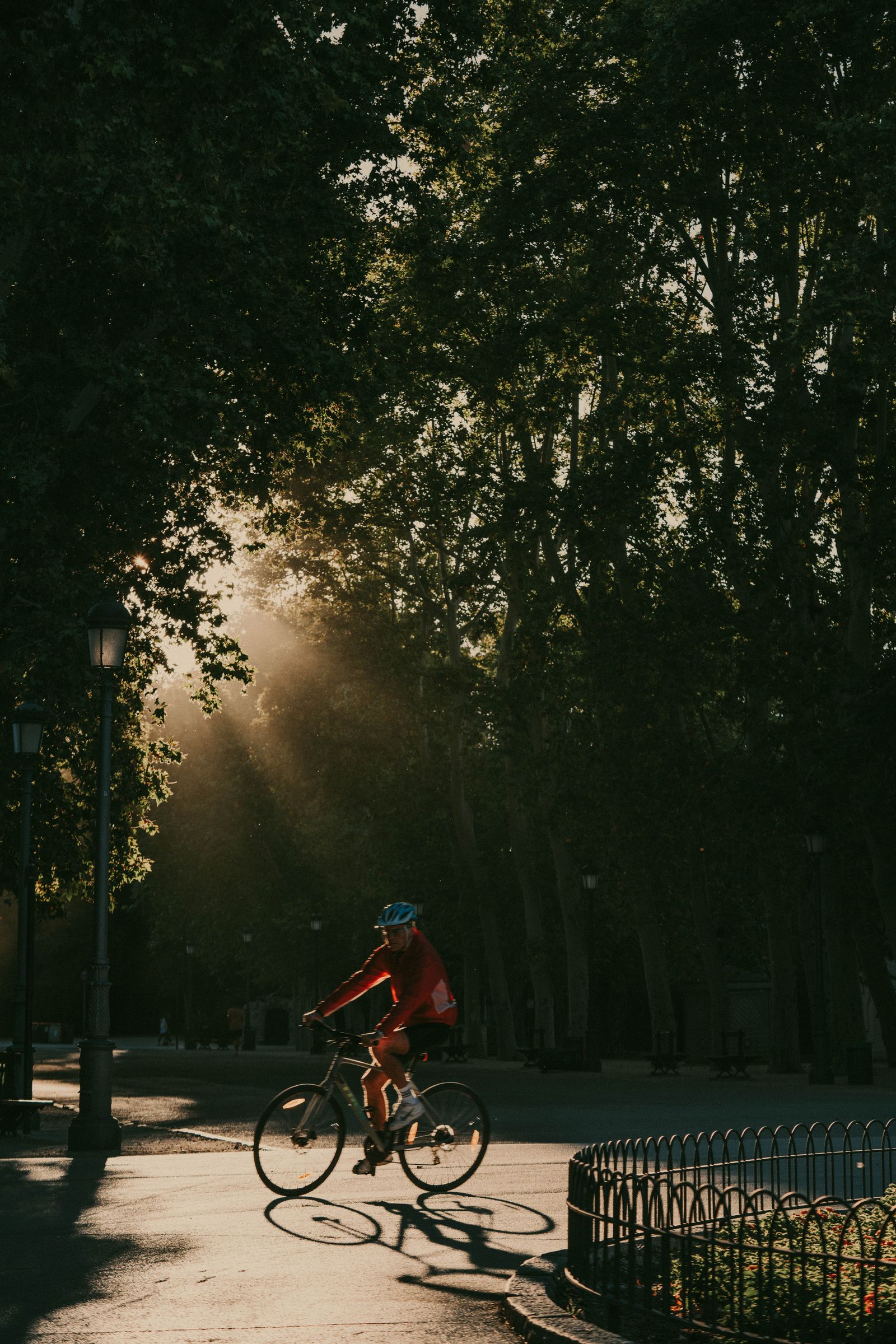
Centennial Park is a 189-hectare Victorian-era park in Sydney’s Eastern Suburbs, established in 1888 to mark the centenary of European settlement in Australia. It offers a 3.8km Grand Drive loop for cycling, jogging and horse riding, ornamental ponds including Busbys Pond and Duck Pond, picnic areas, playgrounds, and year-round events. It’s free to enter and open daily, roughly 10 minutes from the Sydney CBD.
Centennial Park draws more than 3.5 million visits a year, and it’s easy to see why once you’re inside — wide lawns, tree-lined avenues, wetlands, and enough space that even a busy weekend rarely feels crowded. This guide covers the park’s history, what to actually do there, and the practical details for planning a visit.
A Brief History
Centennial Park was established in 1888 to celebrate the centenary of European settlement in Australia, transformed from what had originally been a water reserve into a grand Victorian-style public park. It’s sometimes called Sydney’s answer to Central Park, and its design still reflects that 19th-century landscaping tradition — wide open lawns, ornamental ponds, and grand avenues lined with Moreton Bay figs and paperbark trees. The park sits on Gadigal and Dharawal Country, and together with neighbouring Moore Park and Queens Park, forms the wider 369-hectare Centennial Parklands.
The Grand Drive
The Grand Drive is Centennial Park’s main circuit, a 3.8km loop popular with cyclists, joggers, and horse riders, and it’s the easiest way to get a sense of the park’s full scale in one go. Cyclists Avenue, opened in 1900, is one of the park’s original cycling routes, and the park’s former kiosk was converted into a Cyclists’ Pavilion as far back as 1908 — cycling has genuinely been part of Centennial Park’s identity since its earliest years, not a modern addition.
Ponds and Wetlands
Centennial Park’s ornamental ponds — including Busbys Pond and Duck Pond — are among its most photographed features, ringed by reflective water, birdlife, and mature trees. These wetland areas aren’t just decorative; they’re part of the park’s original Victorian design and continue to support genuine wildlife habitat within an otherwise dense urban setting.
Cycling and Horse Riding
Beyond the Grand Drive, Centennial Park has over 30 kilometres of walking and cycling paths weaving through forests, wetlands, and open lawns, with popular routes including the Paperbark Grove Walk and circuits around the ornamental ponds. Bike hire is available near the Learners Cycleway playground and the Fearnley Grounds picnic area, making it easy to visit without bringing your own bike. Centennial Park is also one of the few urban parks in the world where horse riding is genuinely accessible, a legacy of its Victorian-era design that continues today.
Picnics and Family Facilities

With expansive lawns and shaded picnic spots throughout, Centennial Park suits everything from a quiet solo picnic to a larger family or group gathering, with many areas including tables, barbecues, and open park views. The Ian Potter Children’s WILD PLAY Garden, open 10am to 5pm daily (closed in August), is one of the standout family attractions — more a nature play space than a conventional playground, with dry creek beds, an artesian water play area, and the park’s first treehouse. The Paddington Playground near the main Oxford Street entrance includes accessible equipment for children with special needs.
Events and Culture
Centennial Park regularly hosts concerts, outdoor cinema, theatre, art exhibitions, and environmental education programs, drawing a genuinely diverse mix of visitors across all ages and backgrounds — visitor surveys show the park’s user base closely reflects Sydney’s broader social and cultural makeup. Around 70% of park visitors come daily or at least once a week, and the largest single group of regular users falls in the 25 to 44 age bracket. Checking the City of Sydney’s what’s-on listings before a visit is worth it if you want to time a trip around a specific event rather than just a standard walk or picnic.
Dogs at Centennial Park
Dogs are permitted in designated off-leash areas within Centennial Park, though rules and specific zones are worth checking before a visit if you’re bringing a pet. For a dedicated, detailed breakdown of exactly where and when dogs are allowed, see our separate guide to Dog-Friendly Walks in Centennial Park.
Getting There
Centennial Park sits in Sydney’s Eastern Suburbs, easily reached by car, bike, or public transport, with multiple entrances and parking available around the park’s perimeter. Bus routes serve the main entrances along Oxford Street and Alison Road, and it’s a manageable walk or short bike ride from Bondi Junction or Paddington if you’re coming from those directions. Free and paid parking areas are both available, though weekend parking near popular entrances fills up quickly.
Best Time to Visit
Centennial Park works well year-round, though each season offers something different. Spring brings blooming gardens and generally the most pleasant walking or cycling weather. Summer suits outdoor activities and evening events, though weekends can get genuinely busy. Autumn offers mild weather and some colour change among the park’s deciduous plantings. Winter, counterintuitively, is one of the best times for a peaceful walk, with far fewer visitors and the park’s structure and mature trees still worth seeing without the summer crowds.
A Sample Half-Day Visit
For a first visit, a reasonable half-day plan starts with the Grand Drive loop, either walked or cycled, to get a sense of the park’s full scale. From there, a stop at Busbys Pond or Duck Pond for a slower look at the birdlife, followed by a picnic lunch on one of the open lawns, covers the core Centennial Park experience. If travelling with kids, building in time at the Ian Potter Children’s WILD PLAY Garden or the Paddington Playground rounds out the visit well.
Comparing Centennial Park’s Zones
| Area | Best For | Notes |
|---|---|---|
| Grand Drive | Cycling, jogging, horse riding | 3.8km loop, the park’s main circuit |
| Busbys Pond & Duck Pond | Birdlife, photography | Ornamental Victorian-era ponds |
| Ian Potter WILD PLAY Garden | Young children | Open 10am–5pm daily, closed August |
| Paddington Playground | Families, accessible equipment | Near the main Oxford Street entrance |
| Learners Cycleway area | Bike hire, beginners | Includes the Greenhouse Cafe nearby |
Accessibility
Centennial Park is genuinely wheelchair-friendly, with formed paths and facilities designed to accommodate a wide range of mobility needs — the Grand Drive loop in particular offers a flat, well-surfaced circuit suitable for wheelchairs and prams alike. The Paddington Playground’s accessible swing for children with special needs is a specific, purpose-built inclusion worth knowing about if visiting with a child who needs it. Extended opening hours during daylight savings give more flexibility for evening visits without worrying about the park closing early.
Wildlife and Nature
Despite sitting minutes from the CBD, Centennial Park supports genuine wildlife populations, particularly around its ponds and wetland areas — native birds are a constant presence, and the park’s mature Moreton Bay figs and paperbark trees provide habitat well beyond what a typical urban green space offers. Environmental education programs run through the park aim specifically to connect visitors with this side of Centennial Park, beyond just its recreational uses. Early morning is generally the best time for birdwatching, before the park’s daytime foot traffic picks up.
The Wider Centennial Parklands
Centennial Park is only one part of the broader 369-hectare Centennial Parklands, which also includes Moore Park and Queens Park, along with what’s often called the Entertainment Precinct nearby. If you’re planning a full day out, it’s worth knowing this wider context — Moore Park in particular has its own facilities and open space worth exploring if Centennial Park itself doesn’t fill your available time. Treating the three as a connected green corridor, rather than Centennial Park in isolation, opens up considerably more to see and do.
History Walking Tour
For visitors specifically interested in the park’s Victorian-era history, a self-guided History Walking Tour with accompanying audio takes you on a loop of the park detailing significant events, plants, and people from its past, adding genuine context to what might otherwise just look like an attractive green space. This is worth prioritising if history matters to you as much as recreation, since the guided context makes a real difference to how the park’s design and layout actually read once you understand the reasoning behind them.
Key Takeaways
- Centennial Park was established in 1888, covering 189 hectares within the wider 369-hectare Centennial Parklands.
- The Grand Drive is a 3.8km loop popular with cyclists, joggers, and horse riders.
- Bike hire is available near the Learners Cycleway area, so you don’t need to bring your own.
- The Ian Potter Children’s WILD PLAY Garden is open 10am to 5pm daily, closed in August.
- Entry is free, and the park is open daily with extended hours during daylight savings.
Frequently Asked Questions
Is Centennial Park free to visit?
Yes, entry is completely free, and the park is open daily.
How long is the Grand Drive loop?
3.8 kilometres, making it a popular route for cycling, jogging, and horse riding.
Can I hire a bike at Centennial Park?
Yes, bike hire is available near the Learners Cycleway playground and the Fearnley Grounds picnic area.
Is Centennial Park good for kids?
Yes, particularly the Ian Potter Children’s WILD PLAY Garden and the Paddington Playground near the main Oxford Street entrance.
When was Centennial Park established?
In 1888, to mark the centenary of European settlement in Australia.
Is horse riding allowed in Centennial Park?
Yes, it’s one of the few urban parks in the world where horse riding is genuinely accessible.
How do I get to Centennial Park without a car?
Bus routes serve the main entrances along Oxford Street and Alison Road, and it’s a short walk or bike ride from Bondi Junction or Paddington.
Is Centennial Park part of a larger parklands area?
Final Thoughts
Centennial Park earns its 3.5 million annual visits honestly — it’s genuinely rare to find this much open, well-maintained green space this close to a major city centre, combined with over a century of Victorian-era design history that still shapes how the park looks and functions today. Whether you’re there for a serious Grand Drive cycle, a slow afternoon picnic by Duck Pond, or bringing kids to the WILD PLAY Garden, the park delivers on all of it without an entry fee or much planning required. It’s one of the few Sydney attractions that genuinely rewards both a quick one-hour visit and a full day spent exploring, depending on how much time you have.
Running and Fitness Groups
Centennial Park’s Grand Drive has become something of an institution among Sydney’s running and cycling communities, with organised group rides and runs a regular fixture, particularly early on weekend mornings. Several cycling clubs base themselves around the park specifically because of the Grand Drive’s flat, closed-off-from-traffic loop, and it’s common to see everything from casual coffee rides to more serious training groups sharing the same circuit at different paces. If you’re new to group cycling or running, Centennial Park is a genuinely welcoming place to start, given the volume of regular, established groups that operate there.
Photography and the Best Spots
Beyond Busbys Pond and Duck Pond, the park’s tree-lined avenues — particularly those planted with mature Moreton Bay figs — offer some of the most consistently photogenic spots in the park, especially in the softer light of early morning or late afternoon. The Grand Drive itself, with its long, straight sightlines, photographs well for anyone documenting a run or ride through the park. Autumn brings some colour change among the deciduous plantings, adding a seasonal variation to photos that summer’s uniform green doesn’t offer.
Facilities and Amenities
Beyond the picnic areas, playgrounds, and bike hire already covered, Centennial Park has a handful of cafes scattered through the grounds, including the Greenhouse Cafe near the Learners Cycleway area, giving visitors a food option without needing to leave the park entirely. Public toilets are located at multiple points around the grounds, and BBQ facilities are available near several of the larger picnic areas, worth booking or arriving early for on busy weekends given their popularity. Parking, both free and paid, is available at multiple entrances, though it’s worth arriving reasonably early on weekends if you’re planning to drive, since the more convenient spots near popular entrances fill quickly.
Weddings and Private Events
Centennial Park’s photogenic ponds, avenues, and open lawns make it a popular choice for wedding photography and small private gatherings, and several areas within the park can be booked for this purpose through Centennial Parklands’ own booking system. If you’re planning something more involved than a standard picnic — a proposal, a wedding shoot, or a larger private celebration — it’s worth checking booking requirements and any applicable fees well in advance, since popular spots and weekend time slots do get reserved ahead of time.
Yes, it’s part of the wider 369-hectare Centennial Parklands, which also includes Moore Park and Queens Park.
Related Guides
It’s also worth planning around Centennial Park’s seasonal maintenance and closure patterns, particularly the Ian Potter Children’s WILD PLAY Garden’s August closure each year. Checking the Centennial Parklands website for any current closures or maintenance notices before a visit, especially if a specific feature is the whole reason for your trip, avoids arriving to find a section temporarily unavailable. This is a fairly minor consideration for a standard walk or picnic, but worth knowing if you’re planning a visit specifically around one facility.
For visitors combining a Centennial Park trip with the rest of the Eastern Suburbs, its location near Bondi Junction and Paddington makes it easy to fold into a longer day out, whether that means shopping and dining afterward or starting with brunch nearby before heading into the park. Its relatively central location, only about 10 minutes from the CBD, means it doesn’t demand the kind of dedicated half-day travel that some of Sydney’s more distant green spaces require, which is a genuine part of why it sees such consistent, year-round foot traffic from locals rather than just occasional tourist visits.
Ultimately, what makes Centennial Park work as well as it does is that it doesn’t demand a specific reason to visit. There’s no single must-see feature that requires careful planning around opening hours or booking slots — you can turn up on any given day, at almost any time, and find something worth doing, whether that’s a proper Grand Drive cycle, a slow walk past the ponds, or simply lying on the grass with a book. That kind of unforced, low-commitment accessibility is genuinely rare for a park this significant, and it’s the main reason it remains one of Sydney’s most consistently used green spaces well over a century after it first opened.
Whether this is your first visit or your fiftieth, Centennial Park rewards showing up without an overplanned itinerary. Pick a gate, walk in, and let the Grand Drive or one of the smaller paths guide the rest of the visit — it’s a park designed, over a century ago, for exactly that kind of unhurried exploration, and it still works precisely that way today.
For a more detailed look at bringing a dog to the park, see our guide to Dog-Friendly Walks in Centennial Park, and for more of Sydney’s green spaces, see our guide to Secret Picnic Spots in Lane Cove.