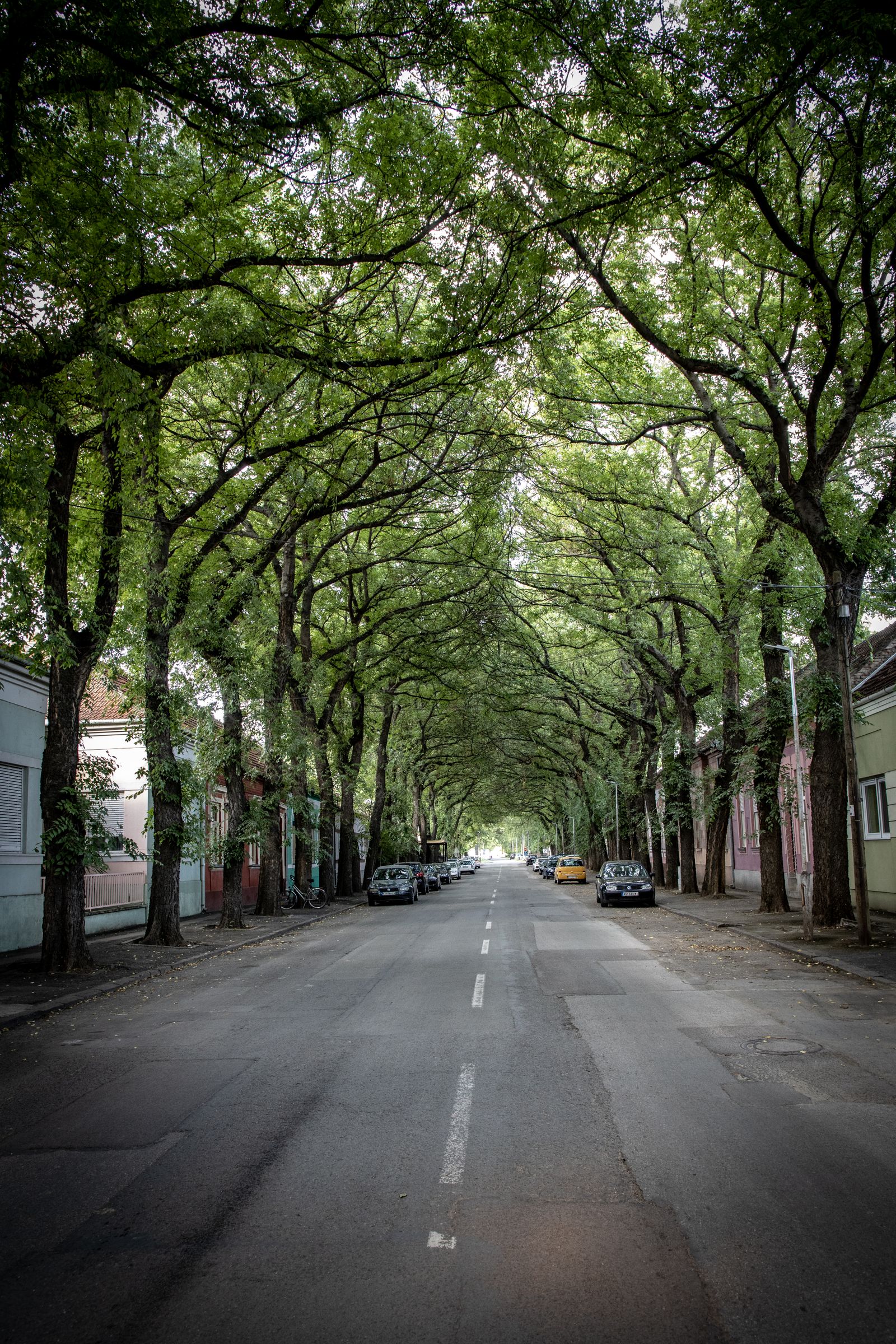
Leichhardt is generally a good place to live for young families, professionals, and downsizing couples who value inner-west convenience, strong transport links, and a genuine sense of community, but it comes with real trade-offs: plane noise from nearby flight paths, heavier traffic along Parramatta Road, and premium pricing that reflects its popularity. It suits people who want a walkable, food-focused suburb close to the city more than those chasing quiet or space.
Leichhardt gets recommended a lot, and for good reason — but suburb guides written to sell real estate tend to skip the parts that don’t fit the pitch. This is a more balanced look at what actually living in Leichhardt involves, based on transport, schools, cost, noise, and the kind of day-to-day life the suburb suits.
The Basics
Leichhardt sits around 5 kilometres west of the Sydney CBD, within the Inner West Council local government area. It’s home to roughly 15,000 residents, with a median age around 37 — a mix of young professionals, families, and long-term residents. Housing is a blend of Victorian terraces, Federation-era homes, and modern apartments, with many older homes restored rather than knocked down, which is part of why the streetscape has such a consistent, heritage feel.
Transport: Genuinely Good, With a Catch
Leichhardt doesn’t have its own heavy rail station, which surprises some people given how well-connected it otherwise feels. What it does have is frequent bus services along Parramatta Road running into the CBD, plus light rail access via Leichhardt North. In practice, most residents find this more than adequate — buses run often enough that the lack of a train station rarely feels like a real gap, though peak-hour buses can get crowded and occasionally run late.
The upside of this transport setup is a genuinely quick commute: driving into the CBD typically takes 10–15 minutes outside peak hours, and public transport isn’t much slower for most CBD-bound trips.
Schools and Families
For families, Leichhardt has solid options: Leichhardt Public School and Sydney Secondary College’s Leichhardt campus are both well-regarded, and there’s a reasonable spread of childcare centres for younger kids. The suburb’s proximity to the University of Sydney also makes it a popular choice for academics and postgrad students with families. None of this makes Leichhardt uniquely exceptional compared to other Inner West suburbs, but it clears the bar comfortably for families who don’t want to compromise on schooling to get inner-city convenience.
Parks and Outdoor Space
This is one of Leichhardt’s genuine strengths. Pioneers Memorial Park is the main local green space, with picnic areas, playgrounds, and walking paths, and the suburb backs onto both Callan Park and the Bay Run — a roughly 7-kilometre loop around Iron Cove that’s one of the most popular walking and running tracks in the Inner West. For a suburb this close to the city centre, having genuine waterside green space within easy walking distance is a real point in its favour, and it’s part of why Leichhardt attracts fitness-focused residents alongside families and professionals.

Food and Nightlife
Norton Street remains the suburb’s social centre, still known for its Italian restaurants, cafes, and gelato shops, though the food scene has broadened well beyond Italian in recent years. The Palace Cinema on Norton Street shows arthouse and foreign films alongside mainstream releases, and there’s a decent spread of small bars and pubs — the Empire Hotel, the Royal Botanical, and a few newer wine and cocktail bars among them. For a suburb of its size, Leichhardt punches well above its weight on dining and casual nightlife.
The Noise Problem
This is the trade-off most suburb guides gloss over. Leichhardt sits under a flight path into Sydney Airport, and low-flying planes are a genuine, ongoing complaint from long-term residents — not an occasional annoyance but a regular feature of life there, loud enough to interrupt conversation or rattle windows at certain times of day. If aircraft noise is a dealbreaker for you, it’s worth spending time in the suburb at different hours before committing, since this is the kind of thing that’s easy to underestimate from a single visit.
Traffic is the second recurring complaint, particularly along Parramatta Road, which forms one edge of the suburb and carries heavy through-traffic at most hours. This doesn’t affect every part of Leichhardt equally — streets further from Parramatta Road are considerably quieter — but it’s worth factoring into where specifically within the suburb you’re looking, not just whether to consider Leichhardt at all.
Cost of Living
Leichhardt isn’t a budget suburb. Median household income in the area sits well above the Sydney average, reflecting the gentrification the suburb has gone through over the past few decades, and property and rental prices track accordingly. It’s genuinely more affordable than harbourside Eastern Suburbs equivalents, which is part of its appeal to Inner West buyers and renters, but it’s not a place to expect bargain pricing simply because it lacks a train station.
Who Leichhardt Actually Suits
Based on the trade-offs above, Leichhardt tends to suit specific kinds of residents better than others. Young families who prioritise walkability, good schools, and inner-city access over having a large backyard tend to do well here. Professionals and postgrad students benefit from the quick CBD commute and proximity to the University of Sydney. Downsizing couples who want restaurants and cafes on their doorstep, without moving all the way into the CBD itself, are another strong fit.
It suits these groups less well: light sleepers or anyone particularly sensitive to aircraft noise, buyers on a tight budget hoping for bargain pricing, and anyone who specifically wants a quiet, low-traffic residential feel — Leichhardt has a genuine ‘always something going on’ energy that not everyone wants in their home suburb.
How Leichhardt Compares to Nearby Suburbs
Within the Inner West, Leichhardt sits in a fairly specific niche: more central and better connected than suburbs further out like Five Dock or Concord, but generally more affordable than harbourside options like Balmain or Rozelle, both a short distance away. Newtown, another popular comparison, has a stronger nightlife and live music scene but less green space; Leichhardt’s proximity to the Bay Run and Callan Park gives it an edge for anyone who wants genuine outdoor recreation within walking distance, not just cafes and bars.
Safety
Leichhardt is generally considered a safe suburb with a reasonably strong sense of community — residents in local reviews consistently mention friendly neighbours and a village-like feel despite the inner-city location. As with any urban area, ordinary awareness at night around Parramatta Road and quieter side streets is sensible, but nothing about Leichhardt’s crime profile stands out as unusual for an established Inner West suburb.
Renting vs. Buying
Renting in Leichhardt tends to offer reasonable value relative to suburbs further east, particularly for anyone willing to look slightly away from Norton Street itself. Buying is a bigger commitment financially, reflecting both the suburb’s heritage housing stock and its consistent popularity with owner-occupiers rather than investors. The mix of Victorian terraces, Federation homes, and newer apartments gives buyers more flexibility than a suburb with only one dominant housing type, though period terraces in particular carry a genuine premium for their character and location.
Community and Culture
Leichhardt’s Italian-Australian heritage is fading somewhat as the suburb gentrifies and attracts a younger, more mixed demographic, but it hasn’t disappeared — Italian remains the second most common language spoken in the area, and the annual Italian Festa and the Italian Forum’s ongoing events keep that history visibly present rather than purely historical. Community events, the Leichhardt Long Lunch, and regular local markets give residents recurring reasons to engage with each other, which is part of what gives the suburb its consistently mentioned ‘strong community’ reputation in resident reviews.
A Realistic Comparison
| Factor | Leichhardt’s Position |
|---|---|
| Transport | No train station, but frequent buses and light rail; CBD 10–15 min by car |
| Schools | Well-regarded public options; good for families |
| Green space | Strong — Bay Run, Callan Park, Pioneers Memorial Park |
| Noise | Significant aircraft noise; heavy traffic on Parramatta Road |
| Cost | Above Sydney average; cheaper than harbourside Eastern Suburbs |
| Community | Strong, longstanding, still Italian-influenced |
| Nightlife | Solid but low-key — pubs, wine bars, cinema, not a clubbing strip |
Key Takeaways
- Leichhardt suits families, professionals, and downsizers who value walkability and inner-west convenience.
- The lack of a train station is offset by frequent buses and light rail access.
- Aircraft noise and Parramatta Road traffic are real, ongoing downsides worth experiencing firsthand before committing.
- Green space is a genuine strength, with the Bay Run and Callan Park both close by.
- Pricing sits above the Sydney average but below harbourside Eastern Suburbs equivalents.
Frequently Asked Questions
Is Leichhardt good for families?
Yes. It has well-regarded public schools, several childcare options, and genuine green space, making it a solid choice for families who want inner-city convenience without sacrificing schooling quality.
Is Leichhardt noisy?
Yes, in two specific ways: aircraft noise from Sydney Airport’s flight path, and traffic noise along Parramatta Road. Streets further from the main road are noticeably quieter.
Does Leichhardt have a train station?
No heavy rail station, but it’s served by frequent buses and light rail via Leichhardt North, which most residents find sufficient for CBD commuting.
Is Leichhardt expensive to live in?
It’s above the Sydney average for both rent and property prices, though generally more affordable than harbourside Eastern Suburbs equivalents like Balmain or Rozelle.
Is Leichhardt still Sydney’s Little Italy?
Its Italian heritage is fading as the suburb gentrifies, but Italian remains the second most common language spoken, and the Italian Forum and annual Festa keep the culture visibly present.
How far is Leichhardt from the Sydney CBD?
What Long-Term Residents Actually Say
What’s the biggest downside of living in Leichhardt?
Aircraft noise is the most consistently cited downside among long-term residents, followed by traffic along Parramatta Road. Both are real, ongoing features of the suburb rather than occasional inconveniences.
Is Leichhardt good for young professionals?
Yes, particularly those working in or near the CBD, thanks to the short commute and strong local cafe and dining culture.
Is Leichhardt walkable?
Very. Norton Street, local parks, and the Bay Run are all within easy walking distance for most parts of the suburb, and daily errands rarely require a car.
Final Thoughts
Leichhardt earns its reputation, but not unconditionally. It’s a genuinely good suburb for the specific mix of people it suits — families and professionals who want walkability, strong transport, and a real sense of community, and who are willing to live with aircraft noise and Parramatta Road traffic in exchange. It’s a less obvious fit for anyone chasing quiet, budget pricing, or a purely residential feel away from constant activity. The honest answer to whether it’s a good place to live is: yes, for the right person, and it’s worth being clear-eyed about which kind of resident that actually is before committing.
Resident reviews of Leichhardt tend to follow a consistent pattern: genuine enthusiasm for the location, transport, and community, paired with honest acknowledgement of the noise and traffic. It’s common to see reviews describing 15-plus years living in the suburb with no regrets, alongside others noting that the flight path noise is ‘hard to ignore’ even for long-term residents who’ve had years to get used to it. This combination — strong loyalty despite a clearly stated downside — is a more useful signal than either a purely glowing or purely negative review, since it suggests the trade-off is real but survivable for most people who choose to live there.
A recurring theme in renter reviews specifically is value: renters report getting noticeably more for their money in Leichhardt than in comparable Eastern Suburbs locations, while still being close enough to the city and the harbourside suburbs to feel genuinely central rather than peripheral.
A Typical Day in Leichhardt
For a resident who works in the CBD, a typical weekday might start with a coffee from one of Norton Street’s long-running espresso bars, followed by a bus commute that takes somewhere between 20 and 35 minutes depending on traffic and time of day. Evenings often mean a walk or run along the Bay Run before or after dinner, with Norton Street or one of the suburb’s smaller side-street cafes covering most weeknight meals without needing to travel further. Weekends lean toward Pioneers Memorial Park or Callan Park for anyone with kids or a dog, and Norton Street again for anyone catching a film at the Palace Cinema or meeting friends for dinner.
This rhythm — short commute, strong local food and cafe culture, easy access to green space — is a large part of what residents consistently cite as the suburb’s appeal, and it holds up reasonably well against the noise and traffic downsides for people whose priorities line up with it.
A Checklist Before Moving to Leichhardt
- Visit at different times of day, including during typical flight path hours, before committing to a specific street.
- Compare streets close to Parramatta Road against quieter side streets — noise levels vary considerably within the suburb.
- Check school catchment zones directly if schooling is a priority, since catchments can shift.
- Factor in bus reliability during peak hours if you’ll be commuting daily without a car.
- Budget realistically — Leichhardt’s pricing reflects genuine demand, not an undervalued suburb waiting to be discovered.
Leichhardt for Renters vs. Buyers: A Closer Look
Renters generally have more flexibility to test the noise and traffic trade-offs before committing long-term, which makes renting a reasonable way to get a feel for the suburb before buying, if that’s the eventual plan. Buyers face a bigger decision, since heritage terraces and Federation homes in particular carry both a price premium and ongoing maintenance considerations that newer apartment stock doesn’t. For buyers specifically prioritising value, the suburb’s less-central streets, away from both Norton Street and Parramatta Road, tend to offer a better price-to-quiet ratio than the most sought-after central blocks.
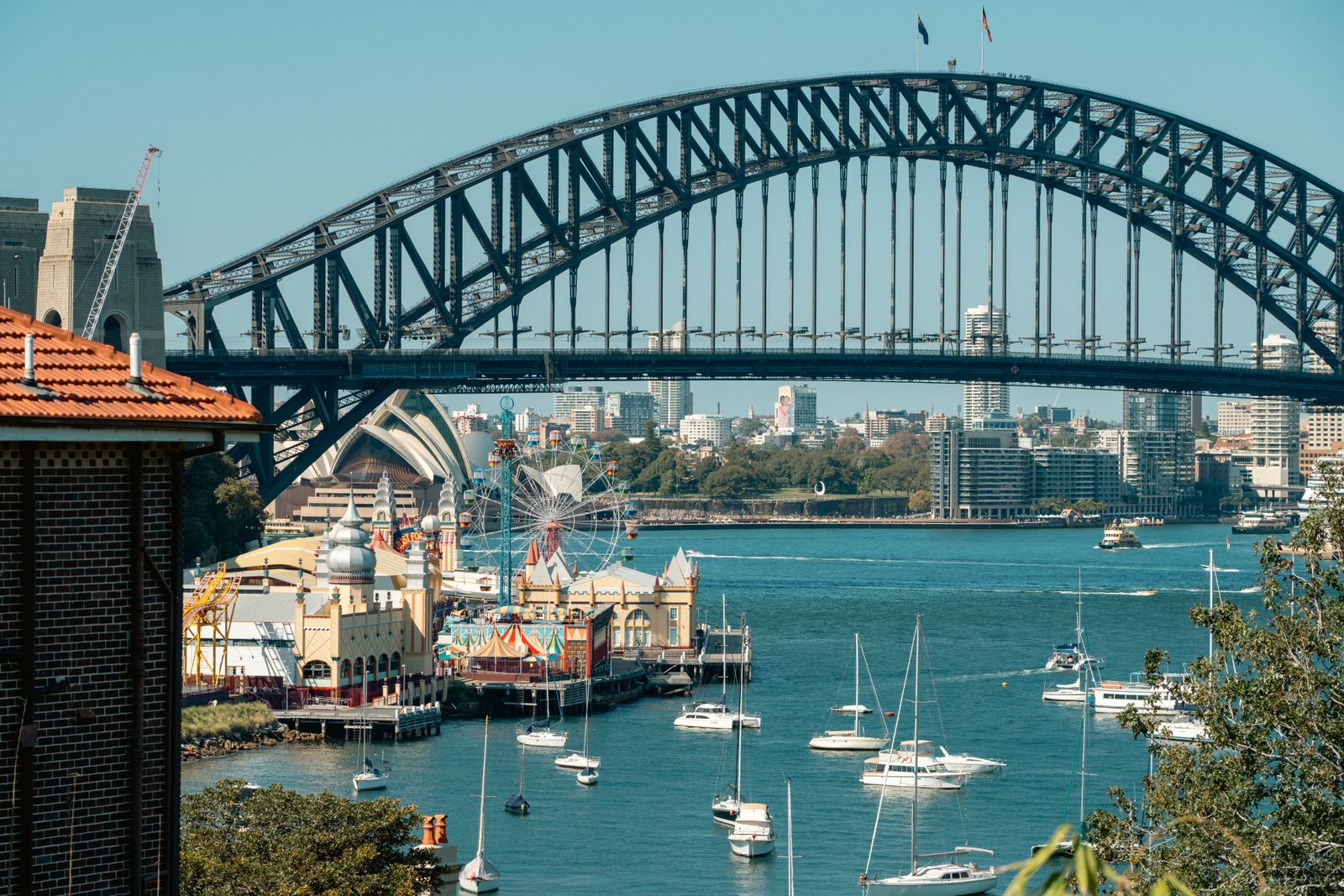
It’s worth adding one more practical point often missing from suburb guides: Leichhardt’s popularity means competition, both for rentals and for purchases, tends to be higher than in less-hyped Inner West alternatives. Well-presented terraces and apartments close to Norton Street or the Bay Run typically move quickly, and it’s common for prospective renters or buyers to need to move fast once they find something suitable. Building a relationship with local agents, or setting up alerts for new listings, tends to matter more in Leichhardt than in suburbs with less consistent demand.
Pets are another practical consideration worth a mention. Leichhardt itself doesn’t have a dedicated off-leash dog beach, but Callan Park and several local streets have reasonable dog-walking appeal, and the wider Inner West’s dog-friendly parks and beaches are all within a short drive. For anyone specifically prioritising dog-friendly beach access, our guide to Dog-Friendly Beaches in Sydney covers the nearest reliable options.
Working from home has also changed how some residents weigh the noise trade-off. A short commute matters less if you’re not making it daily, which shifts the calculation for remote or hybrid workers toward valuing the quieter side streets and green space more heavily, and the CBD-adjacent transport links less. If you fall into this category, it’s worth prioritising a specific street’s noise profile over the suburb’s overall transport credentials when comparing properties.
Ultimately, the best way to answer whether Leichhardt is right for you is the same advice that applies to any suburb with a strong reputation and a real trade-off attached: spend actual time there before deciding, at the hours and on the streets that matter most to your daily routine, rather than relying on a single weekend visit or a glowing listing description to make the call.
Around 5 kilometres, typically a 10–15 minute drive outside peak hours.
Related Guides
One last consideration worth flagging: suburb ‘liveability’ is rarely static, and Leichhardt has changed meaningfully over the past two decades as gentrification has reshaped both its demographics and its price point. Whatever balance of trade-offs applies today isn’t guaranteed to hold indefinitely — infrastructure projects, further light rail expansion, or continued price growth could all shift the equation in the coming years. That’s true of most established Inner West suburbs, but it’s worth keeping in mind rather than assuming today’s snapshot is permanent.
For anyone still weighing it up, the most useful next step isn’t more research — it’s spending a weekday morning and a weekend afternoon actually walking Norton Street, the streets you’re considering, and the Bay Run, ideally including at least one stretch during typical flight hours. That firsthand impression will tell you more in an hour than any suburb guide, this one included.
For more on the suburb, see our guides to Things to Do in Leichhardt, the Italian Forum, and the history behind Ludwig Leichhardt, the explorer the suburb is named after.